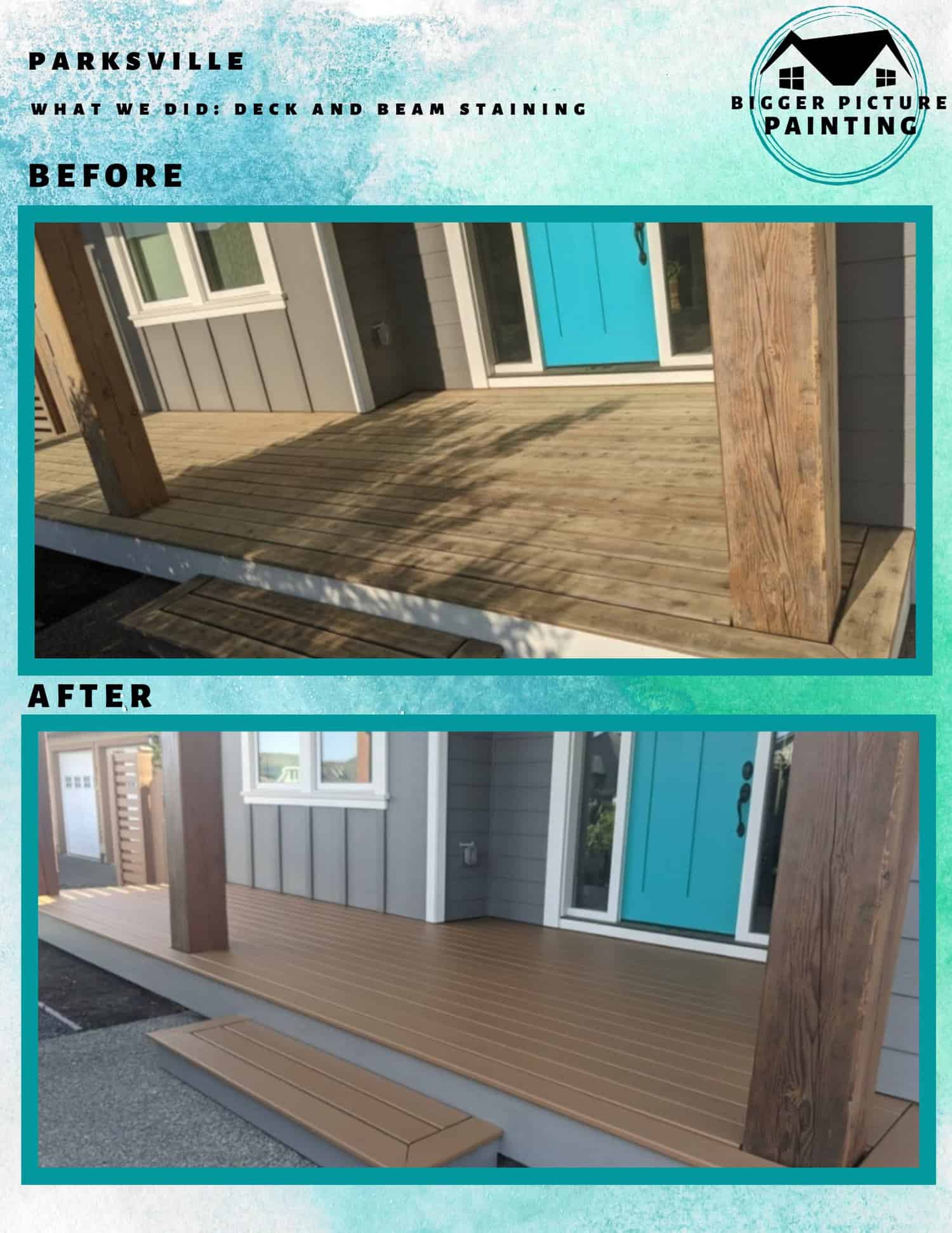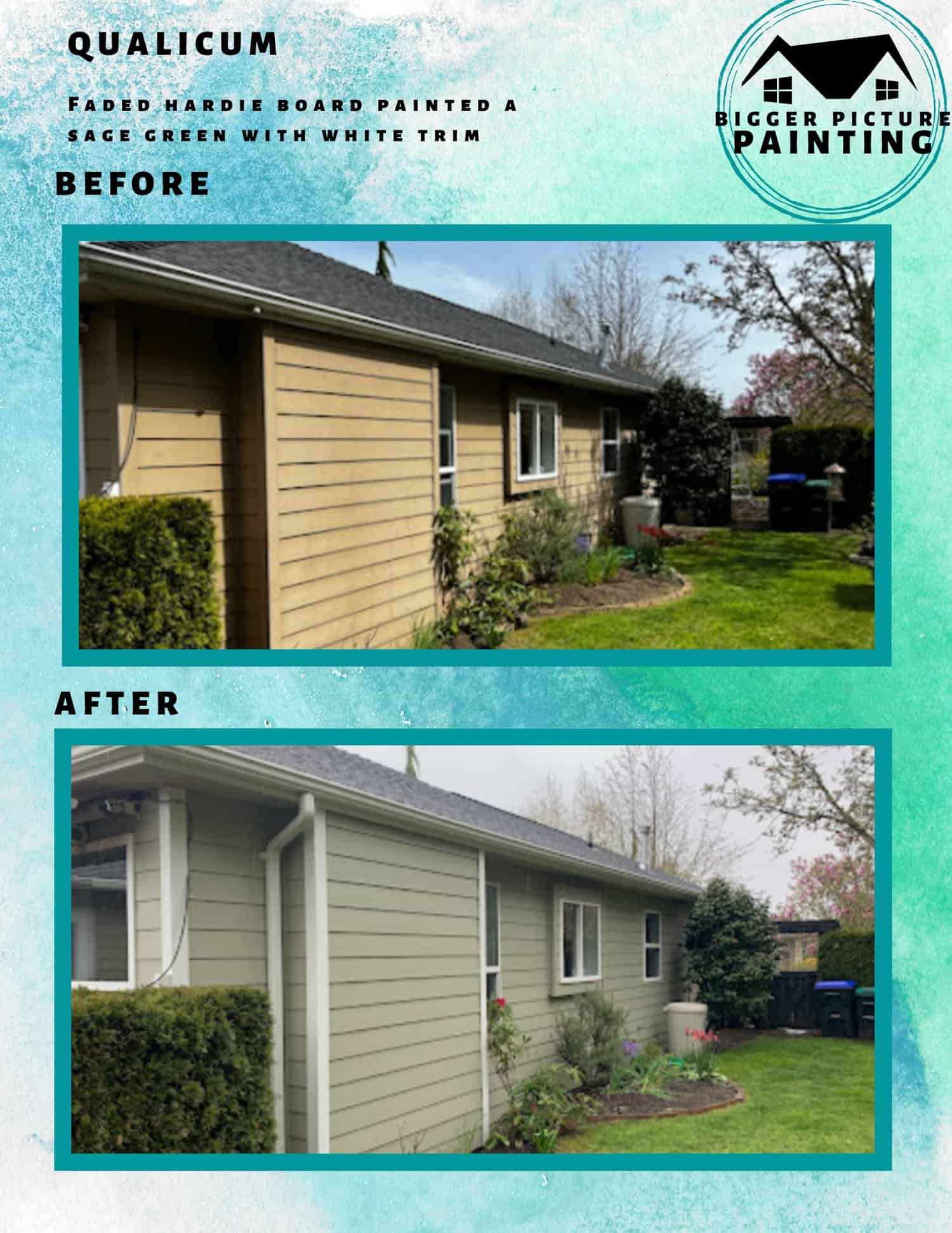
A cabinet respray can completely transform a kitchen or bathroom. I’ve seen worn-out, yellowed cabinets turn into clean, modern, high-end showpieces in just a few days. But here’s the truth most homeowners don’t hear: a cabinet respray only works if every step is done correctly. And I mean every step.
After years of servicing homeowners around Colwood, BC, I can instantly spot when someone tried to save money by hiring the wrong painter—or attempted a weekend DIY respray. Peeling edges, rough texture, sticky doors, uneven sheen… they all trace back to the same cause: critical steps were skipped.
In this tell-all, I’m breaking down the 9 devastating oversights that inexperienced painters (and many general contractors) make—but seasoned cabinet specialists never do. My goal is simple: help you understand what separates a flawless, factory-level finish from a respray that fails in a few months.
Key Takeaways
-
Most failed cabinet respray jobs happen because painters skip essentials like degreasing, sand-etching, and proper priming.
-
Pros rely on HVLP spray systems and cabinet-grade coatings—not rollers or wall paint.
-
A proper cabinet respray lasts 5–10 years when products and processes are correct.
-
Red flags include orange peel texture, tacky surfaces, brush strokes, and early peeling.
-
Controlled environments, clean airflow, and correct curing times are essential for durability.
-
Hiring a true specialist reduces rework, improves finish quality, and protects your investment.
Oversight #1: Not Degreasing Properly — The #1 Cause of Peeling
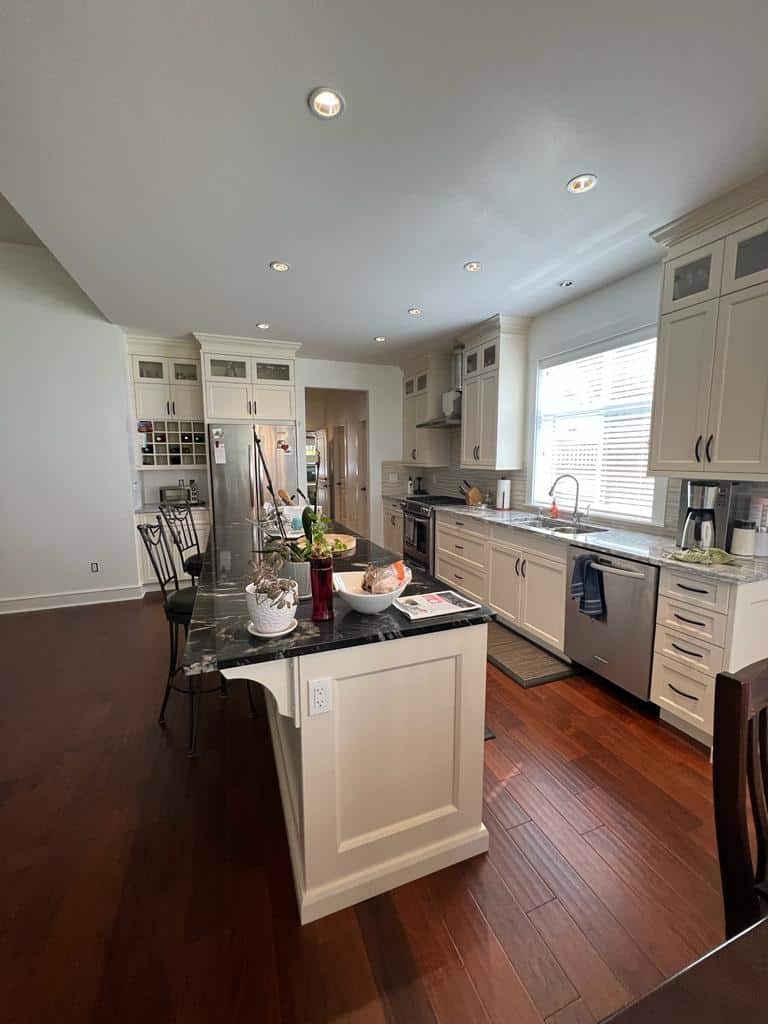
If I had a dollar for every cabinet respray ruined by poor degreasing, I could retire early. Kitchens collect a cocktail of oils, grease vapor, waxes, cleaning residues, and food particles. You might not see them, but trust me—they’re there. And paint won’t bond to any of it.
Pros use multi-stage degreasing:
-
An industrial alkaline cleaner
-
A rinse
-
A second wash in high-use areas (around handles and above cooktops)
When this step is skipped, the failure shows up fast:
-
Peeling within weeks
-
“Fisheyes” where paint slides off
-
Random patches of rough texture
Professionals know that no adhesion = no durability, and there’s no shortcut for this step.
Oversight #2: Skipping Sand-Etching — Smooth Wood Is the Enemy of Bonding
A cabinet respray is only as strong as the mechanical adhesion beneath it. That’s why pros always sand-etch the surface using 180–220 grit abrasives. We’re not trying to remove the old finish—just scratch it microscopically so the primer can grip.
When sanding is skipped, problems show up fast:
-
Chipping at edges
-
Primer lifting
-
Smooth patches where coating simply won’t stick
After sanding comes dust removal. A professional uses vacuums with HEPA filtration, tack cloths, and compressed air. One speck of dust can ruin an entire panel.
Oversight #3: Using the Wrong Primer — Every Material Requires Something Different
Many cabinets are not solid wood—they’re MDF, thermofoil, laminate, or mixed materials. Each one reacts differently to primer. That’s why pros spend so much time matching the correct system.
Here’s what inexperienced painters get wrong:
-
Using latex primer (terrible for adhesion)
-
Not sealing wood tannins
-
Using non-bonding primer on laminate
-
Ignoring MDF’s absorbency
If you’ve ever seen yellowing under white cabinets or knots bleeding through, that’s primer failure.
Pros rely on systems like:
-
Shellac-based primers
-
Stain-blockers
-
High-bonding primers designed for slick surfaces
A cabinet respray is only as good as the primer beneath it.
Oversight #4: Using Cheap Paint Instead of Cabinet-Grade Coatings
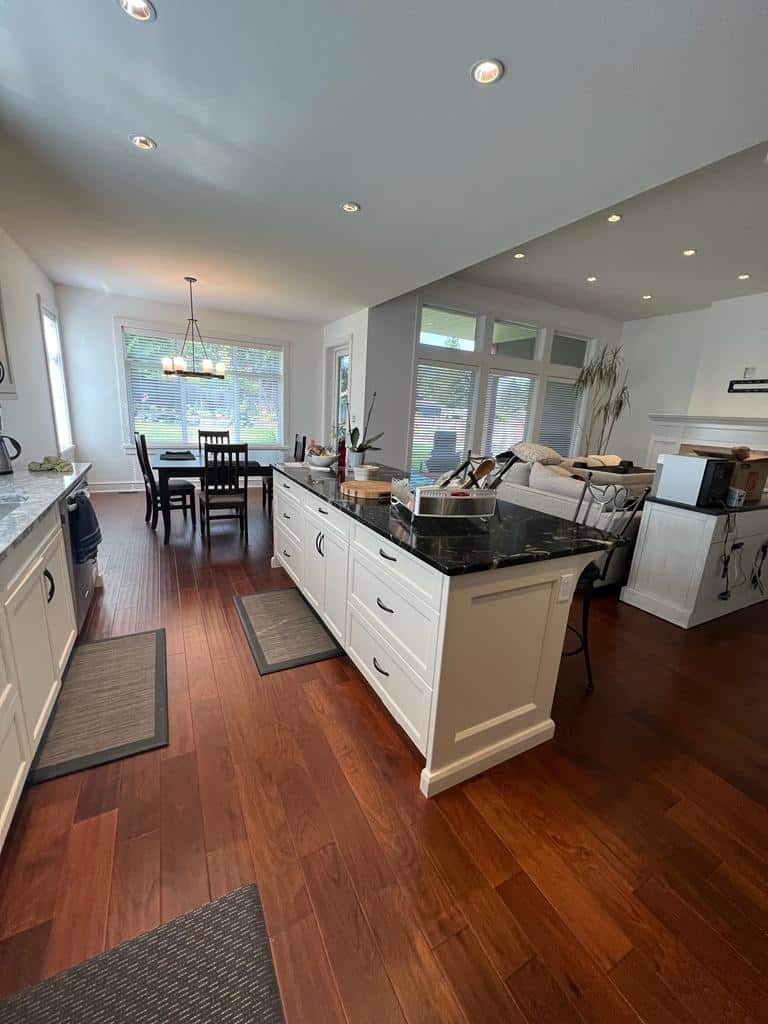
This is where most DIYers slip—and where many “handyman painters” cut corners. Wall paint should never be used on cabinets. Ever.
Cabinets need coatings that can withstand:
-
Oils
-
Steam
-
Abrasion
-
UV exposure
-
Constant handling
That’s why professionals use coatings such as:
-
2K polyurethanes
-
Pre-catalyzed lacquer
-
Industrial-grade enamel systems
When someone uses cheap paint, the results speak for themselves:
-
Soft, sticky surfaces
-
Scratches from fingernails
-
Uneven sheen
-
Early wear around handles
This is exactly why our cabinet painting division uses only industry-recognized, high-performance coatings.
Oversight #5: Using Rollers or Brushes Instead of HVLP Sprayers
I’ll say it plainly:
Cabinets should never be painted with a roller or brush.
A factory-smooth finish requires HVLP (High Volume, Low Pressure) spraying. This equipment atomizes coatings into fine particles for a perfectly even surface.
When painters use brushes or rollers, you’ll see:
-
Stipple texture
-
Brush marks
-
Orange peel
-
Thick, uneven edges
A professional cabinet respray uses:
-
Precision spray guns
-
Correct nozzle sizes
-
Controlled overlap techniques
-
Proper material thinning and pressure adjustments
This is where most DIY jobs fall apart. If a painter shows up with a roller… run.
Oversight #6: Rushing Drying and Curing — The Invisible Disaster
Cabinet coatings have very specific timing:
-
Flash time
-
Recoat window
-
Dust-free time
-
Handling time
-
Full cure (which can take 7–30 days)
If a painter rushes, you’ll end up with:
-
Sticking cabinet doors
-
Imprints from objects placed too soon
-
Softness or tackiness
-
Peeling when doors are closed too soon
Our team uses controlled environments, drying racks, and proper timing aligned with EPA guidelines on painting indoor to ensure safe, durable curing.
Oversight #7: Not Removing Doors, Drawers, or Hardware
This may sound basic, but you’d be shocked how many “budget painters” spray cabinets in place with hinges and hardware still on.
When doors aren’t removed, you get:
-
Overspray on hardware
-
Thick paint buildup
-
Unfinished edges
-
Binding around hinge plates
Professionals label each door, bag hardware, track locations, and spray all pieces flat and vertically depending on the stage.
This organization isn’t optional—it’s part of a reliable cabinet respray workflow.
Oversight #8: Not Creating a Dust-Free, Well-Ventilated Spray Environment
Your home is full of dust, fibers, pet hair, and airborne particles. That’s why pros build containment systems.
A proper cabinet respray setup includes:
-
Plastic enclosures
-
Exhaust fans
-
Air scrubbers
-
Drop filters
-
Negative air pressure systems
When the environment isn’t controlled, you will see:
-
Embedded dust
-
Tiny bumps
-
Fibers stuck in the coating
-
Inconsistent sheen
If your painter hasn’t built a spray booth—either on-site or in their shop—they’re not doing a professional-grade job.
For a deeper breakdown on environmental contamination and other risks, you can read more about painting cabinet errors.
Oversight #9: Sloppy Reassembly and No Final Quality Control
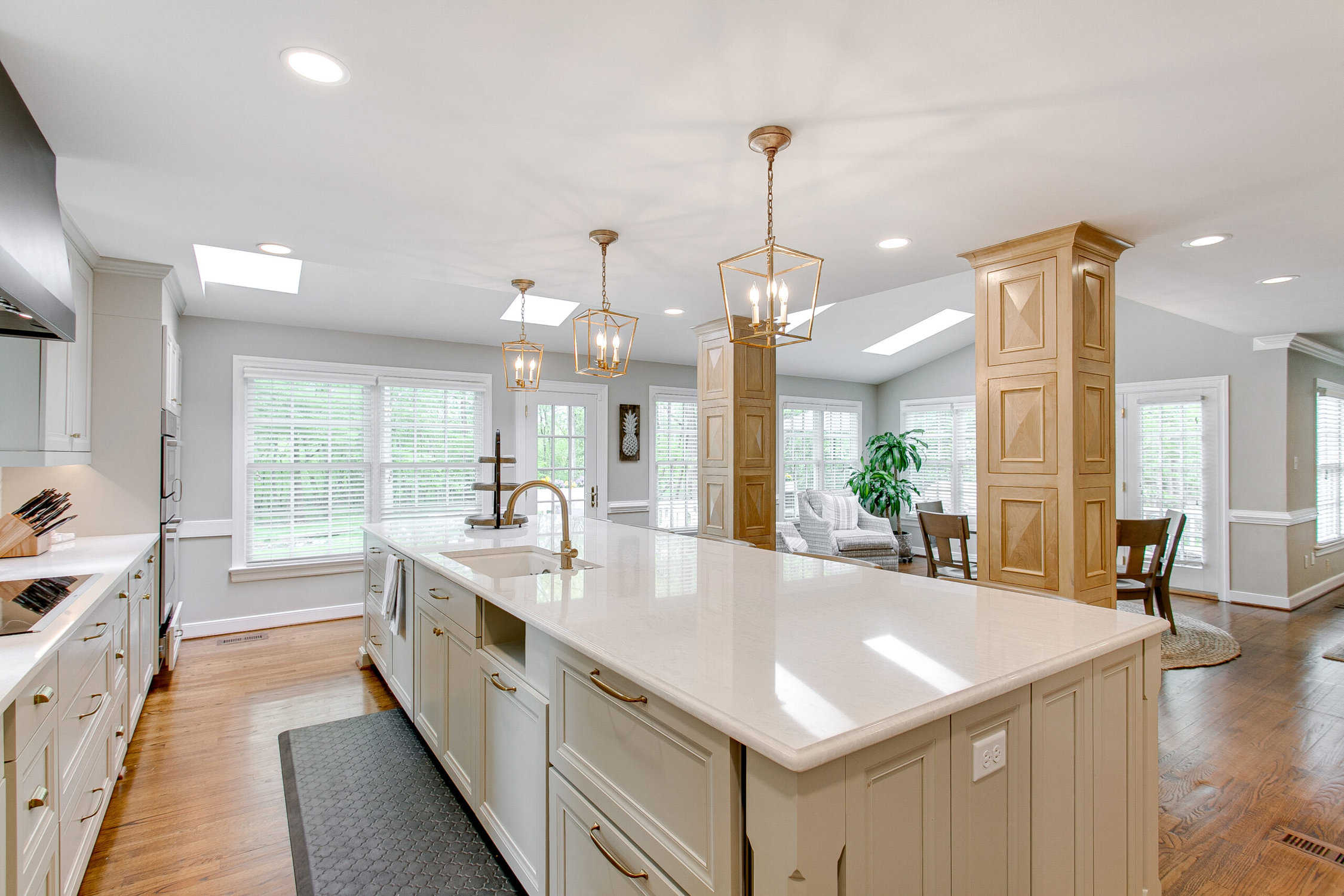
Many homeowners don’t think about the final stage, but this is where a lot of damage happens. If the painter handles cured pieces too roughly or rushes reinstalling hardware, they can ruin days of work.
Common mistakes:
-
Misaligned doors
-
Scratches from tools
-
Missing bumpers
-
Loose handles
-
Doors that hang unevenly
Pros perform:
-
Systematic reassembly
-
Quiet bumper installation
-
Final adjustments
-
A complete quality control inspection
Because the last 5% of the job determines whether the cabinets feel professionally done.
How to Spot a True Cabinet Respray Specialist
Here’s what a real pro’s process includes:
Step-by-Step Professional Workflow
-
Full degreasing
-
Sand-etching
-
Correct bonding primer
-
HVLP spraying
-
Cabinet-grade topcoat
-
Proper curing cycle
-
Dust-controlled environment
-
Complete hardware removal
Equipment That Separates Pros From Amateurs
-
Spray booths
-
Ventilation systems
-
Drying racks
-
Professional compressors
-
Fine-mesh strainers
-
Precision tips and nozzles
Transparency About Coating Systems
If a painter can’t explain their products in detail—primer, topcoat, cure time, spray method—they’re winging it.
Real Portfolio and Warranty
Look for actual before-and-after examples and detailed finish photos. Not close-up shots of doors still hanging on the hinges.
Professional Technique Prevents Every Oversight
A flawless cabinet respray isn’t about luck or guesswork. It comes from discipline, proper equipment, controlled environments, and coatings designed specifically for cabinetry. After years of transforming homes in Colwood, BC, I can confidently say this: every failure I’ve been called to fix could have been prevented with the right prep and products.
If you want cabinets that look factory-fresh—not repainted—hire a team that follows the process from start to finish.
And if you’re ready for a cabinet upgrade that’s done right the first time, our cabinet painting service is built exactly for that.