Some color trends are smart because they work with real spaces, real people, and real wear. Others are risky because they’re chosen for messaging, mood, or marketing—not longevity.
The controversy around the 2026 Color of the Year, Cloud Dancer (#F0EFEB), exposes that divide clearly. It looks calm in theory. In practice, it has proven fragile, unforgiving, and emotionally flat in many interiors. At the same time, Transformative Teal (#23545B) shows how bold optimism can also become a problem when overused.
After years of interior painting, I can tell you this with certainty: color trends only succeed when function comes first.
Why Interior Spaces Reveal Trend Mistakes Faster Than Anything Else
Interior walls and floors aren’t static design elements. They’re lived against, brushed past, cleaned, scuffed, and viewed under changing light every single day.
That’s why color trends that look “safe” online often fail in real homes. Interiors magnify problems that trend forecasting never accounts for—traffic patterns, artificial lighting, furniture shadows, and long-term maintenance.
From a professional standpoint, most repaint regret doesn’t come from bold choices. It comes from trendy neutrality that promised timelessness and delivered disappointment.
Cloud Dancer vs. Transformative Teal: A 2026 Reality Check
Difference #1: Longevity vs. Momentary Relevance
Smart color trends survive multiple cultural and economic cycles. They don’t rely on novelty.
Risky ones peak emotionally and collapse fast. Cloud Dancer is already showing signs of early fatigue. Transformative Teal has better longevity—but only when applied selectively.
Longevity is about adaptability, not popularity.
Difference #2: Performance in Real Interior Painting Conditions
From an interior painting standpoint, performance always beats theory.
Light trend colors like Cloud Dancer show scuffs, roller overlap, and touch-up failures almost immediately. Dark saturated colors like Transformative Teal hide some dirt but reveal scratches and dents.
This is why blindly following color trends without considering wear leads to repaint cycles of 3–5 years instead of 10+.
Difference #3: Cultural Meaning Accelerates Aging
Paint color is no longer neutral. Cultural interpretation matters.
Cloud Dancer is increasingly perceived as emotionally empty. That perception alone makes it feel dated faster. Transformative Teal feels confident, but too much confidence can overwhelm.
This is why color trends fail faster today than they did 15 years ago—culture moves faster.
Difference #4: Visual Balance vs. Visual Dominance
Smart interior colors support architecture. Risky ones compete with it.
Cloud Dancer often feels unfinished or sterile once furniture is removed. Transformative Teal can unintentionally become the focal point of the entire home.
Good color trends never fight the space they’re in.
Difference #5: Lighting Sensitivity Is Often Ignored

Lighting is the silent killer of trendy paint.
Cloud Dancer shifts wildly under LEDs and can appear gray, yellow, or clinical. Transformative Teal darkens dramatically in low-light rooms.
Any color trends that can’t tolerate lighting variation are automatically high risk.
Difference #6: Maintenance Reality vs. Expectations
Homeowners underestimate maintenance more than anything else.
Light, trendy colors demand constant cleaning and rarely lend themselves to touch-ups. Dark, bold colors show physical damage faster.
From experience, most repaint regret starts with, “I didn’t realize it would show everything.”
That’s a color trends problem—not a paint-quality problem.
Difference #7: Flexibility for Future Changes
Walls are expensive to redo. Furniture isn’t.
Smart trend use keeps walls adaptable and expresses trends through décor, accent zones, or even a cabinet respray instead of permanent saturation.
Risky color trends lock homeowners into a look that ages fast.
Difference #8: Application Strategy Determines Success
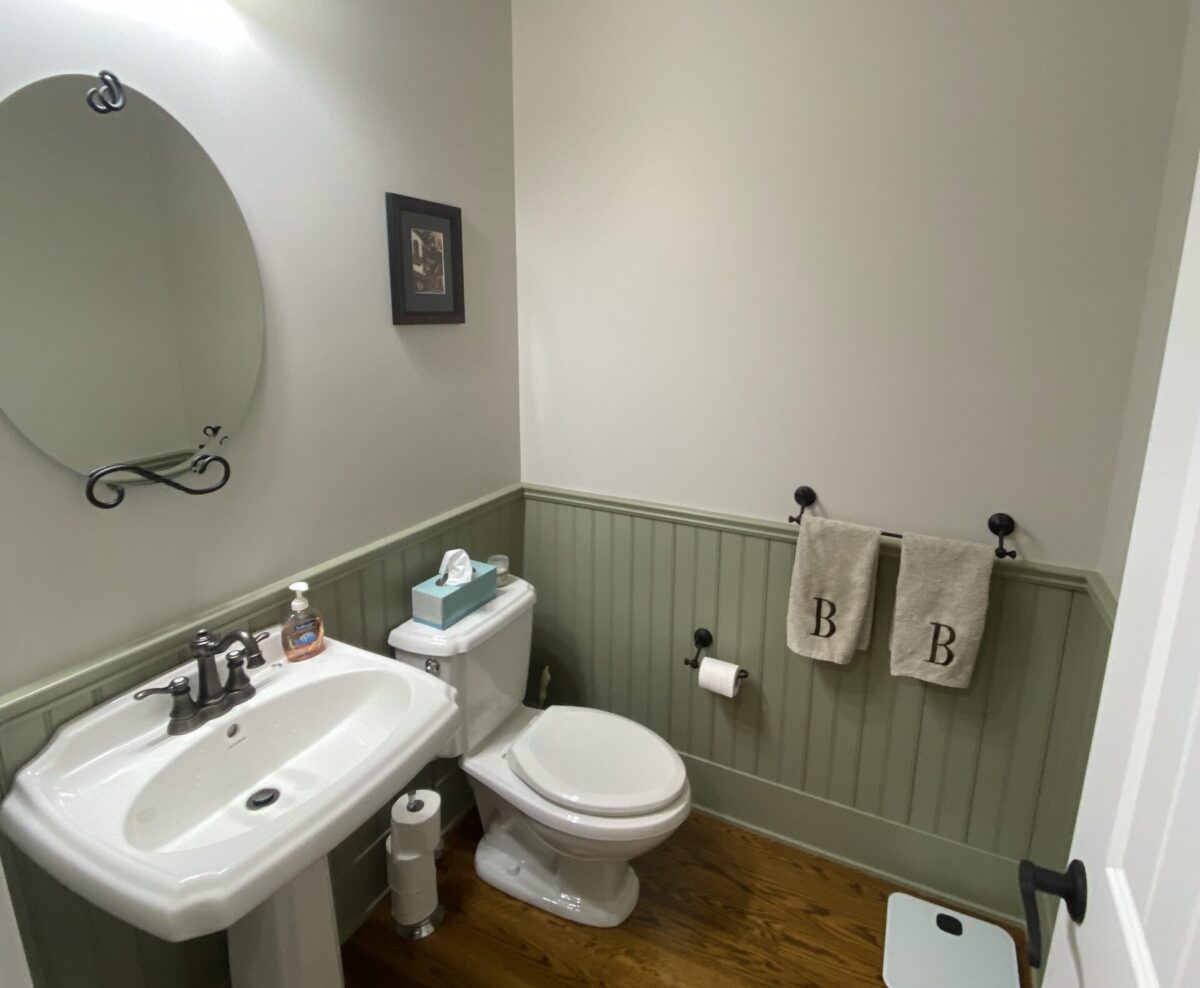
The most successful color trends are applied with intention.
Accent walls.
Low-traffic areas.
Architectural features.
The fastest failures come from whole-home trend applications with no hierarchy.
Difference #9: The Real Cost of Failure
Repainting interiors isn’t just paint. It’s prep, labor, disruption, and lost time.
When color trends fail, the cost is financial and emotional. People stop enjoying their space long before they repaint it.