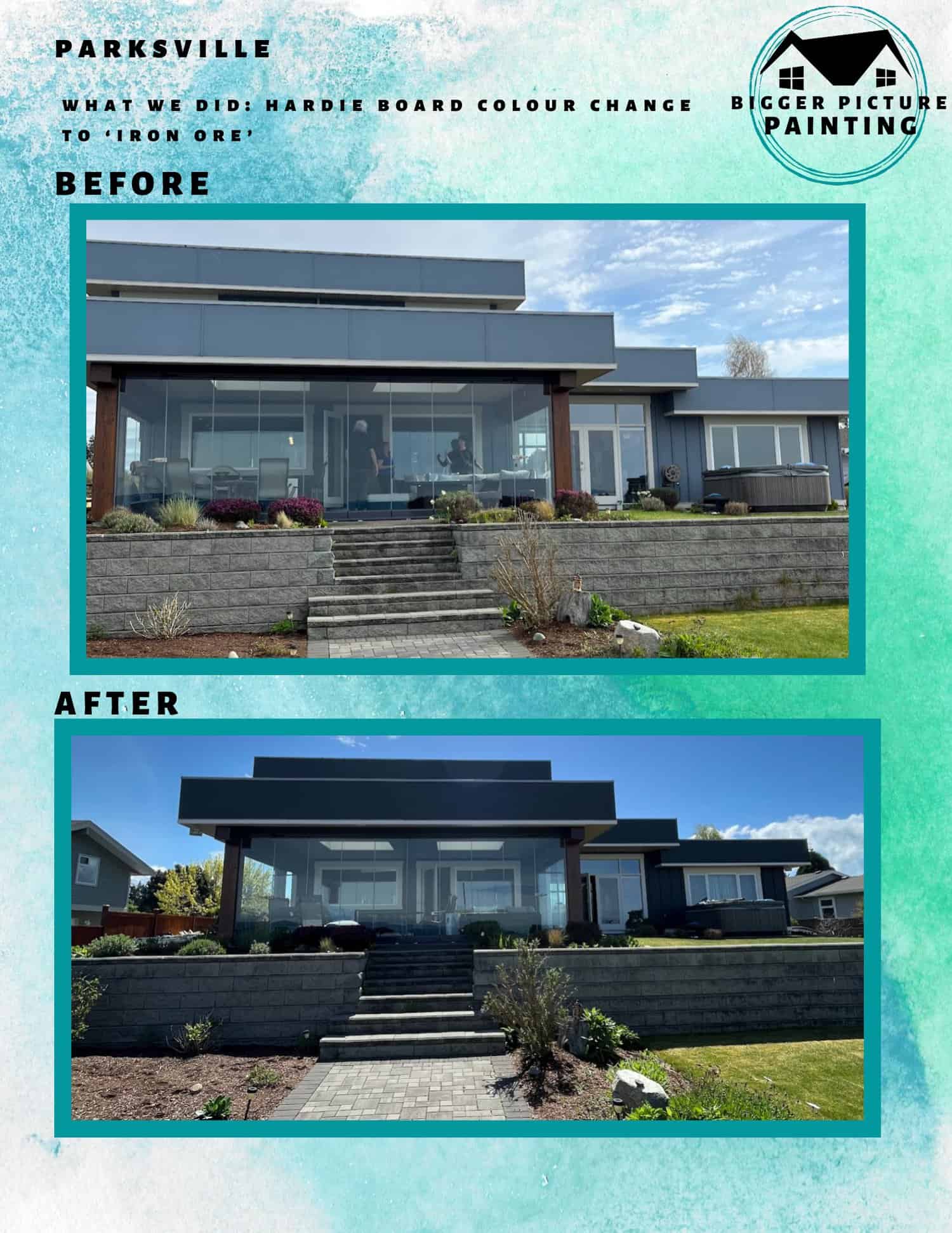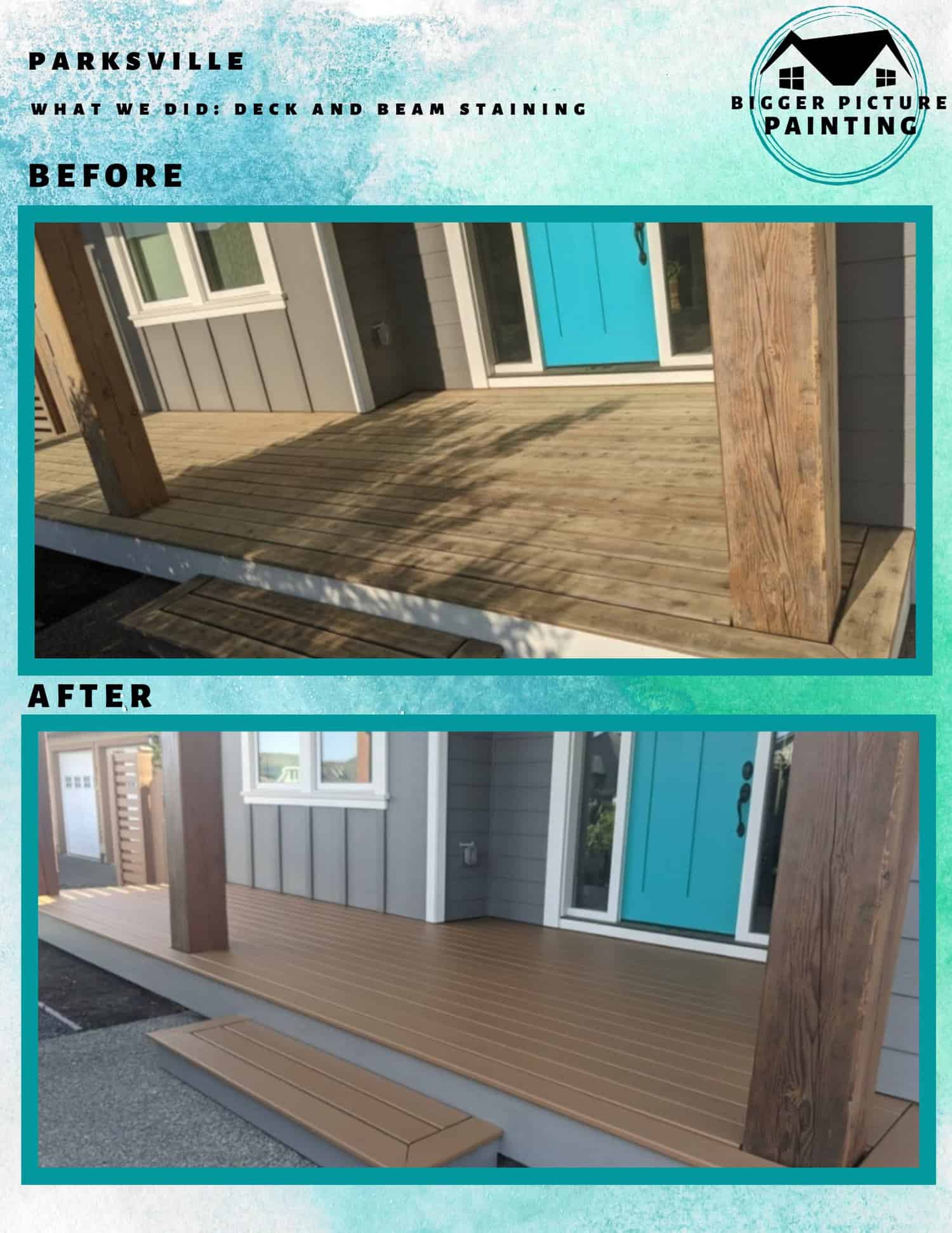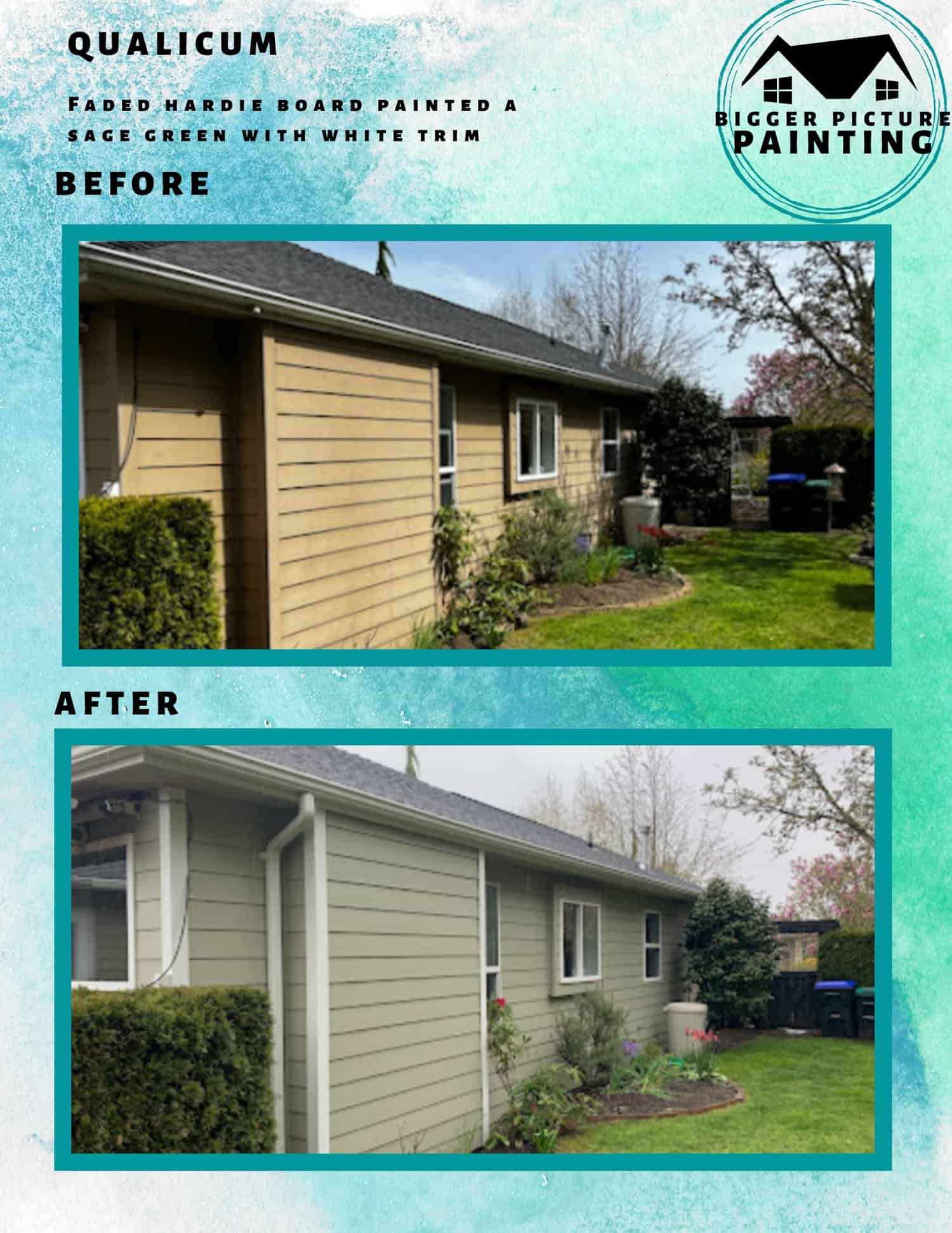
Let’s be clear right away: skipping the second coat of paint might look fine on day one — but it’s one of the fastest ways to ruin a finish. That second coat isn’t cosmetic; it’s structural. It seals, strengthens, and protects. Without it, paint films fail faster, colors fade unevenly, and surfaces begin to peel far sooner than they should.
A coat of paint is more than color. It’s a protective layer engineered to shield your walls, ceilings, or trim from UV exposure, humidity, and daily wear. And to reach the performance level paint manufacturers design for, two full coats are almost always required.
At Bigger Picture Painting, we educate homeowners on why that second coat matters — especially for interior house painting projects in Ladysmith, BC, where humidity, coastal air, and temperature shifts can quickly expose shortcuts in prep or application.
Why Two Coats of Paint Matter: The Science Behind It
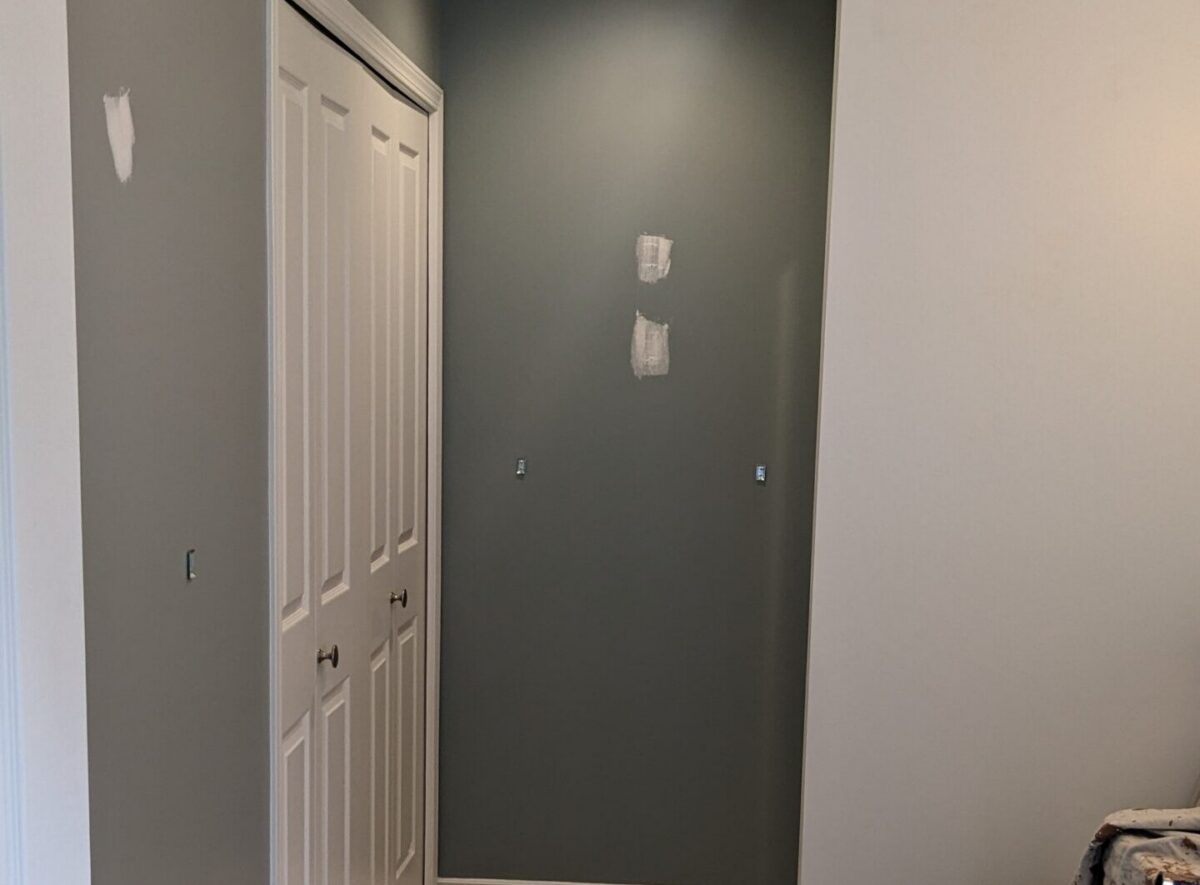
A modern coat of paint is a finely tuned mixture of resins, pigments, and binders. When applied, it cures into a film — a microscopic barrier protecting the substrate beneath. The science is simple:
Measured in mils (thousandths of an inch), the difference is dramatic:
| Application | Average Dry Film Thickness (DFT) | Expected Performance |
|---|---|---|
| One Coat | 1–1.5 mils | Minimal coverage; weak adhesion |
| Two Coats | 3–4 mils | Full protection; long-term durability |
Manufacturers like Benjamin Moore, Sherwin-Williams, and PPG all specify a minimum dry film thickness that can only be achieved with two coats. Skipping that second layer doesn’t just risk fading — it can void the product warranty entirely.
Product insight:
What Happens When You Skip the Second Coat
The effects aren’t always immediate. At first, a single coat of paint might look passable — even uniform. But over time, weaknesses appear.
Shortened Lifespan
One coat simply doesn’t last.
| System Type | Average Lifespan | Common Failures |
|---|---|---|
| One-Coat System | 2–4 years | Peeling, fading, water stains |
| Two-Coat System | 6–10 years | Gradual dulling; easy maintenance |
In Ladysmith’s damp coastal air, the difference between one and two coats can mean repainting in three years instead of seven.
The Professional Standard: Why Reputable Painters Never Stop at One
Professional painters never gamble with one coat. Industry standards from PDCA (Painting and Decorating Contractors of America) and ASTM testing protocols define two coats as the benchmark for film performance, adhesion, and longevity.
At Bigger Picture Painting, every project follows that system. During our interior house painting process, we verify wet film thickness using calibrated gauges and cross-roll application for full, uniform coverage.
Typical workflow:
This second coat of paint isn’t “extra” — it’s what ensures your finish performs as intended.
The Hidden Cost of Skipping a Coat
It might seem cheaper to apply just one coat, but it rarely is over time.
| Approach | Cost per Sq. Ft. | Lifespan | Maintenance Frequency | Long-Term Cost (10 Years) |
|---|---|---|---|---|
| One Coat | $1.00–$1.25 | 2–3 years | Every 2–3 years | $4.00–$5.00 |
| Two Coats | $1.25–$1.50 | 6–8 years | Every 6–8 years | $1.50–$2.00 |
The second coat of paint may add roughly 25% upfront — but it can triple finish longevity. That means fewer repaints, less material waste, and more stable color across years of wear.
Professional painting isn’t about “covering the wall.” It’s about building a coating system that stands up to cleaning, sunlight, and time.
When One Coat Might Work — But Rarely

There are limited situations where one coat of paint may suffice. Still, professionals treat them as exceptions, not rules.
Why That Second Coat Improves Durability and Appearance
Every layer counts. The second coat of paint adds measurable improvements to strength, color, and longevity:
| Property | One Coat | Two Coats |
|---|---|---|
| Film Thickness | 1–1.5 mils | 3–4 mils |
| Color Uniformity | Inconsistent | Rich, even |
| Washability | Low | High |
| UV Resistance | Limited | Excellent |
| Adhesion | Fair | Superior |
| Lifespan | 2–4 years | 6–10 years |
The takeaway is clear: the second coat doesn’t just look better — it performs better in every measurable way.
Environmental and Substrate Factors That Demand Two Coats
Not every wall, ceiling, or substrate behaves the same. Climate, texture, and material all influence how many coats are necessary.
Common Myths About One-Coat Jobs
How Professionals Ensure the Perfect Two-Coat Finish
Professionals treat every coat of paint like part of a technical process, not guesswork.
This method ensures consistent sheen, durable adhesion, and long-term color accuracy — the foundation of a professional finish.
Frequently Asked Questions