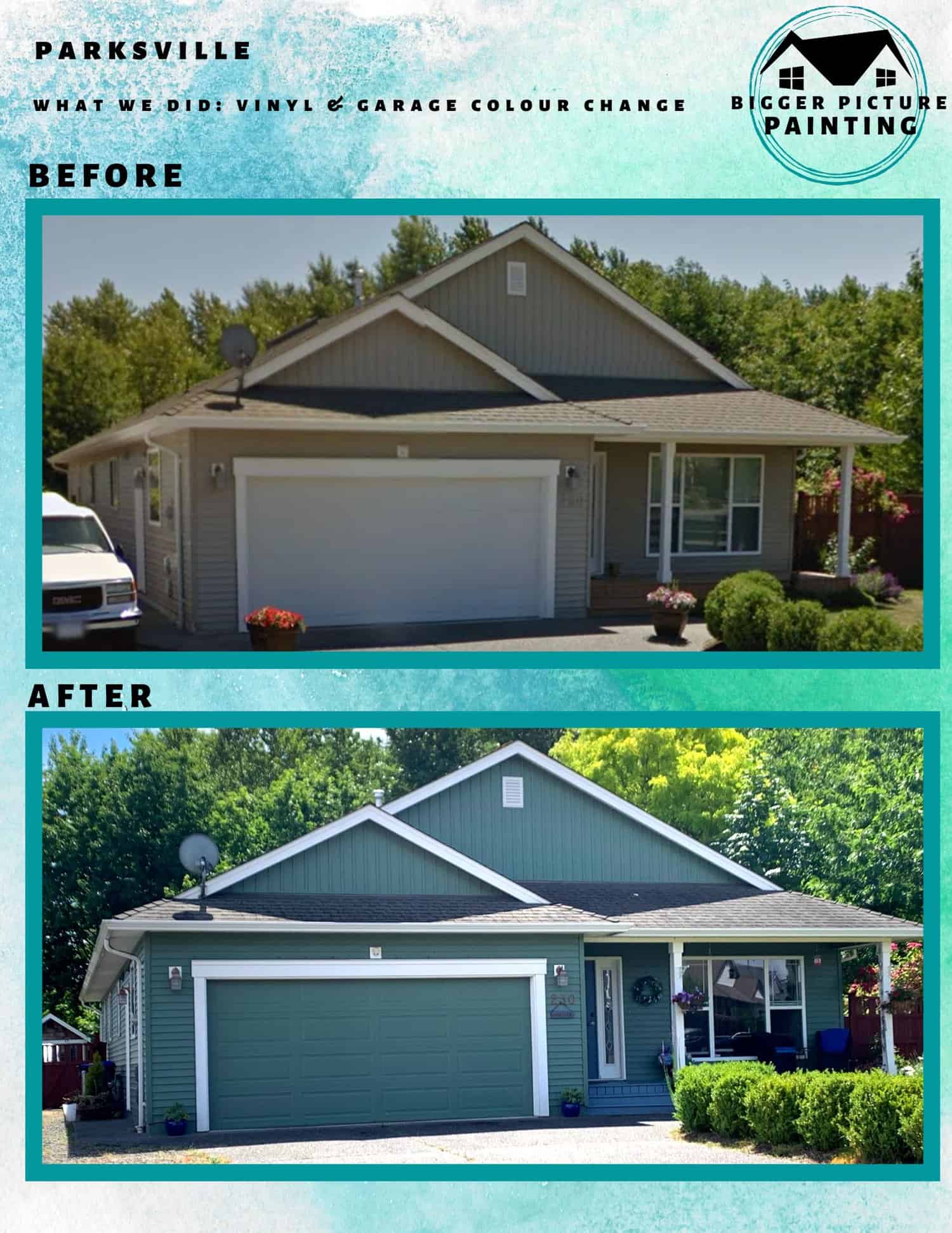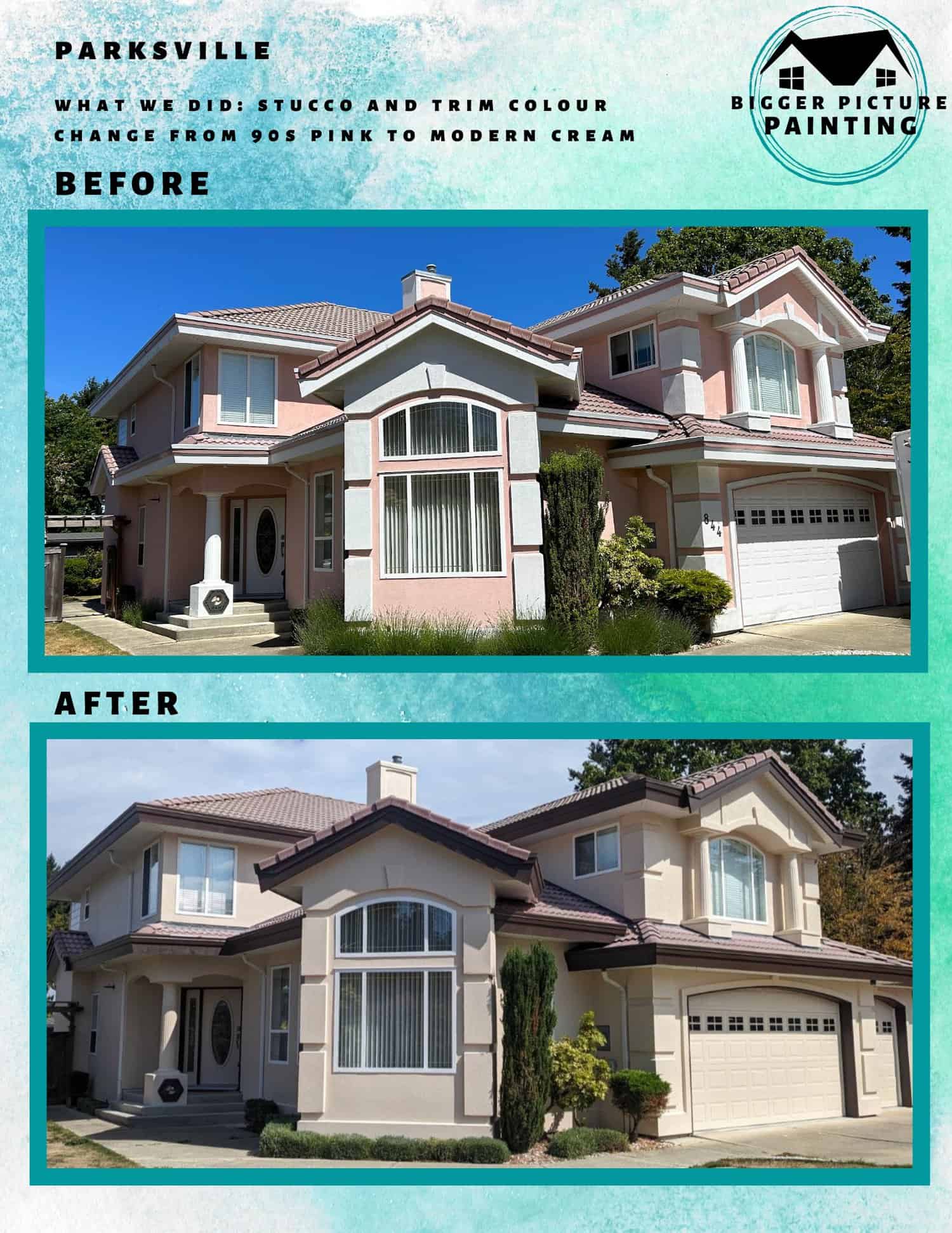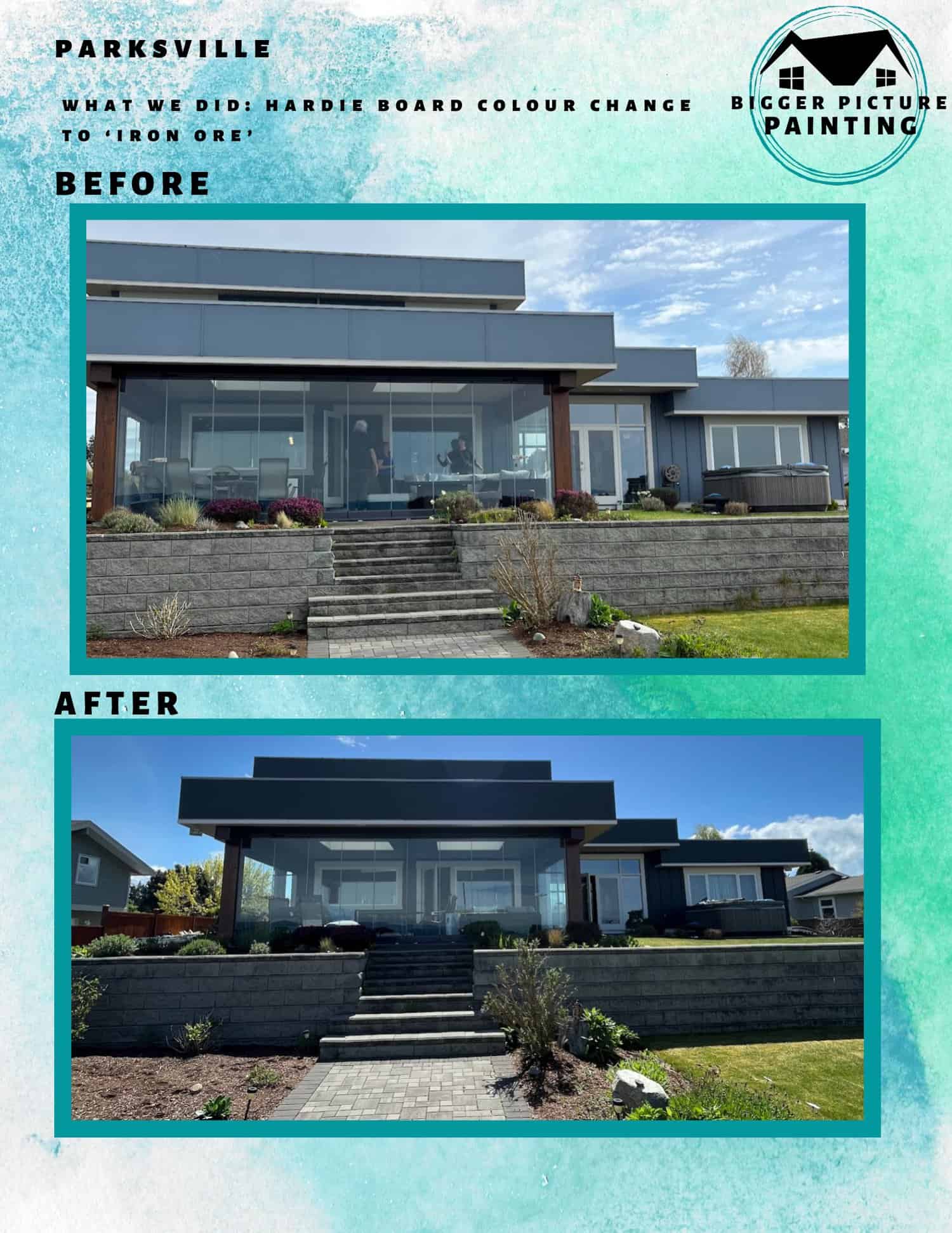
Wood siding offers charm, character, and timeless curb appeal. But whether you own a home, manage a historic building, or oversee a multi-unit property, one question inevitably arises when that siding starts to weather: Should you paint or stain it?
The choice isn’t purely aesthetic—it impacts longevity, cost, protection, and future maintenance. Painting and staining offer fundamentally different approaches to wood protection, and the best choice depends on your siding’s condition, wood type, exposure, and overall goals.
What’s the Core Difference Between Paint and Stain?
Paint: A Surface Film That Hides Grain
Paint forms a solid film that sits on the wood’s surface. It completely conceals the grain and offers the widest range of colors and sheens. Because it doesn’t penetrate, adhesion depends heavily on proper priming and surface prep.
Stain: A Penetrating Finish That Highlights Grain
Stain, especially transparent or semi-transparent types, soaks into the wood and emphasizes its natural texture. Solid stains are more opaque and perform somewhat like paint, but still maintain a breathable finish.
When to Choose Paint for Wood Siding
Benefits of Painting
When applied correctly, paint offers maximum protection and aesthetic impact. For older wood or previously painted surfaces, it’s often the only viable option.
Best Surface Conditions for Paint
Best Paint Systems for Wood Siding
- Sherwin-Williams Duration: Long-lasting acrylic for harsh climates
- Benjamin Moore Aura® Exterior: High-end homes, color retention
- Behr Premium Plus Ultra: Budget-friendly, good for basic needs
When to Choose Stain for Wood Siding
Benefits of Staining
Stain is ideal for preserving the natural look of wood while allowing it to breathe. It’s easier to maintain over time and more forgiving when it comes to recoats.
Best Surface Conditions for Stain
Best Stain Products for Exterior Wood Siding
- Cabot Semi-Solid Acrylic Siding Stain: UV resistance with visible grain
- Sherwin-Williams WoodScapes Solid Stain: Excellent coverage with breathable film
- Benjamin Moore Arborcoat®: Long-lasting solid or semi-solid finishes
- Penofin Ultra Premium Transparent Oil: Ideal for high-end woodgrain preservation
Durability and Maintenance Comparison
-
Surface Prep
- Paint: Sanding, priming required.
- Stain: Power wash and dry.
-
Touch-up Ease
- Paint: Difficult to blend.
- Stain: Easy to recoat.
- Peeling Risk
- Paint: Higher if wood traps moisture.
- Stain: Lower due to breathability.
- Maintenance Cost
- Paint: Higher (labor-intensive).
- Stain: Lower (clean and reapply).
Paint lasts longer—but only with extensive prep. Stain needs more frequent reapplication but costs less per cycle.
Climate and Environmental Considerations
Hot, Sunny Climates
Paint generally holds up better to intense sun but may fade over time. Use light-reflective colors or UV-resistant finishes like Aura Exterior or WoodScapes Solid in these conditions.
Humid or Rainy Regions
Stain is preferred because it allows trapped moisture to escape, minimizing blistering or rot. Penofin and Arborcoat Semi-Transparent perform especially well in coastal or foggy zones.
Cold/Freeze-Thaw Zones
In areas where temperatures fluctuate heavily, solid stains or elastomeric paints help prevent cracking. Paint is more rigid and may split if moisture freezes beneath the surface.
Substrate and Wood Type Considerations
Cedar or Redwood
Use semi-transparent stains to enhance the grain. These woods are naturally rot-resistant, and breathable finishes help them last longer without sacrificing beauty.
Pine or Engineered Wood (e.g., LP SmartSide)
Solid stain or paint is better suited. These substrates tend to absorb unevenly and require high-quality primers to seal sap or knot bleed.
Weathered or Aged Wood
Older wood can drink up stain unevenly. If heavily aged, solid stain or paint is recommended. Use a wood conditioner or apply a tinted primer for even absorption.
Installation and Application Differences
Paint Application Process
- Pressure wash and let dry
- Scrape peeling paint
- Prime bare wood
- Caulk joints and patch cracks
- Apply two coats of exterior-grade paint
Stain Application Process
- Clean with a wood cleaner or pressure washer
- Let wood dry fully
- Apply one or two coats of stain
- Back-brush to ensure penetration and uniformity
Labor Cost Comparison
Paint jobs take longer due to prep and drying time. Staining, particularly re-staining, tends to require less labor and can often be completed faster.
Cost Comparison – Paint vs. Stain for Wood Siding
Long-Term Property Value and Curb Appeal
Aesthetic Longevity
Paint gives sharp, bold color that lasts for years—perfect for modern, colonial, or commercial properties. Stain creates a soft, natural finish ideal for cabins, craftsman homes, or rustic buildings.
HOA or Architectural Guidelines
Some communities require painted finishes for uniformity. Others prefer stain for natural consistency. Always check local restrictions before starting.
Customization Options
Paint offers infinite color choices. Stain color palettes are more limited but increasingly stylish—think driftwood grays, cedar reds, and coastal browns.
Common Mistakes to Avoid
Service-Specific Advice from Professional Painters
What Pros Recommend by Property Type
Warranty Considerations
Paint warranties often run 7–15 years (product only). Stains typically offer shorter warranties but require less aggressive prep to maintain. Always ask about workmanship warranties, which cover labor-related issues.