Choosing a new exterior paint color for your home should be exciting — and it often is. But if you’ve ever stood in the exterior paint aisle staring at a dozen almost-identical color swatches while panicking about your choice, you’re not alone. The truth is, picking the right shade for your home’s exterior isn’t just about aesthetics. It’s about scale, lighting, material, and confidence.
In Ladysmith, BC, where character homes, forest backdrops, and coastal light create a uniquely beautiful setting, selecting the right exterior paint color is especially important. One wrong decision could leave your house standing out — and not in a good way.
Let’s take the stress out of this major decision and help you land on a shade you’ll love every single day.
Why Homeowners Experience Color Regret After Painting
The Illusion of a Paint Chip
Most exterior paint mistakes start at the same place: a tiny sample swatch. While convenient, paint chips are misleading. They don’t reflect how a color will look on a large surface or how it shifts with the natural lighting in your environment.
Changing Light, Changing Color
In Ladysmith, the same exterior paint can appear soft and warm in the early morning, bright and bold at noon, and cool and shadowed by evening. Because of this, a color you love at the store may feel completely different once it’s on your siding.
Surroundings Matter
Your roof color, landscaping, nearby trees, the neighbour’s house — they all reflect color back onto your siding and influence how your exterior paint looks. A deep green may look earthy next to forested land, but murky against a gray metal roof.
It’s a Long-Term Investment
Repainting your exterior isn’t like rearranging furniture. Once you commit, you’re stuck with that color for the next 8 to 15 years — or until your next major project. Color regret can be an expensive and exhausting mistake.
Why Testing Exterior Paint Colors Is Absolutely Necessary
Skip the Guesswork, Save Your Sanity
Testing paint colors in real-world conditions is the only reliable way to know how they’ll actually appear on your home. Sure, digital previews and samples help — but nothing beats seeing your top choices on your actual walls, in your actual yard, under your actual sky.
Paint Reacts to Different Surfaces
Ladysmith homes range from cedar shingles to stucco to fiber cement. Each material absorbs and reflects color differently. A light gray that looks crisp on vinyl may feel dull and flat on rough-textured stucco.
Real Surface Area = Real Impact
A small test patch looks entirely different than an entire façade. Large-scale surfaces amplify undertones and saturations, often surprising homeowners who thought they picked a “safe” neutral.
It’s the Most Affordable Insurance Policy
Buying a few sample pots and taking a weekend to test them is a tiny price to pay to avoid a $10,000 color mistake. Testing is your best ally.
Smart Methods for Testing Exterior Paint Colors
Use Real Paint, Not Just Swatches
Buy 3 to 5 sample pots in your favorite colors. Resist the temptation to try 10 — more isn’t always better. Narrowing your choices early on helps keep the process manageable.
Paint Large Test Patches
Aim for at least 2′ x 2′ squares directly on your home’s surface. Bigger is better — it gives you a truer sense of scale.
Test on Different Walls
The front of your house may face west and get golden evening light, while the back faces east and stays cooler and dimmer. Test each color on at least two different exposures.
Watch Over Several Days
Colors change with the weather, too. In Ladysmith, a misty morning, a bright sunny afternoon, and a cloudy evening will all bring out different nuances in the same paint.
Use Primer if Needed
If your home has never been painted or has a dark base color, apply primer first, then test samples. This helps you see the paint’s real hue without interference.
Bonus Testing Techniques: Digital Tools and Movable Boards
Visualization Apps and Software
Tools like Sherwin-Williams’ ColorSnap® or Benjamin Moore’s Personal Color Viewer allow you to upload a photo of your home and try out paint colors digitally. They’re handy for narrowing your top choices before breaking out the brushes.
Portable Sample Boards
Paint foam core boards or cardboard squares with your test colors. Then move them around your home — front, back, shaded areas, sunny spots. This lets you compare colors side by side without committing to the wall right away.
Real Paint vs. Digital Visualization
For best results, combine all three approaches — but trust your eye when it comes to real-world samples.
Key Things to Watch for When Testing Exterior Paint Colors
The Surprise of Undertones
What looks like a creamy white may turn yellow in sunlight. A gray might lean blue on the east side, but green in the shade. These undertones don’t always appear in a sample chip but become noticeable in your home.
Match Your Roof, Trim, and Hardscape
Don’t forget fixed elements: your roof, driveway, stonework, and even window frames. These elements are permanent (or very expensive to change) and must work with your new paint color.
Respect the Neighbourhood Aesthetic
Ladysmith has a lot of charm. From the historic waterfront cottages to the newer hillside homes, every neighborhood has its own vibe. You want to express your personality while still fitting in with the surrounding color schemes.
Climate Plays a Role
The coastal climate of Vancouver Island means rain, salt air, and UV exposure — all of which can impact how paint looks and lasts. Bright whites may look beautiful now but could stain quickly; deep hues may fade faster.
How Working with a Professional Painter Simplifies Color Choices
Professional Guidance on Sheens and Undertones
Experienced painters can spot a tricky undertone a mile away. They’ll also guide you on finishes: matte hides imperfections but stains easily, satin offers slight sheen, and gloss can highlight architectural details.
Local Knowledge Matters
A painter who works in Ladysmith understands how the Pacific Northwest light affects colors, which brands perform best in wet conditions, and which colors fade the fastest in our coastal climate.
Sample Application Done Right
Pros apply samples cleanly, using the correct base coats and paint tools — no roller marks or streaks that might throw off your perception.
Confidence from Experience
Working with a professional is like having a color coach. They’ll spot potential clashes, help you avoid fads, and steer you toward shades that age gracefully.
How to Test Exterior Paint Colors the Right Way
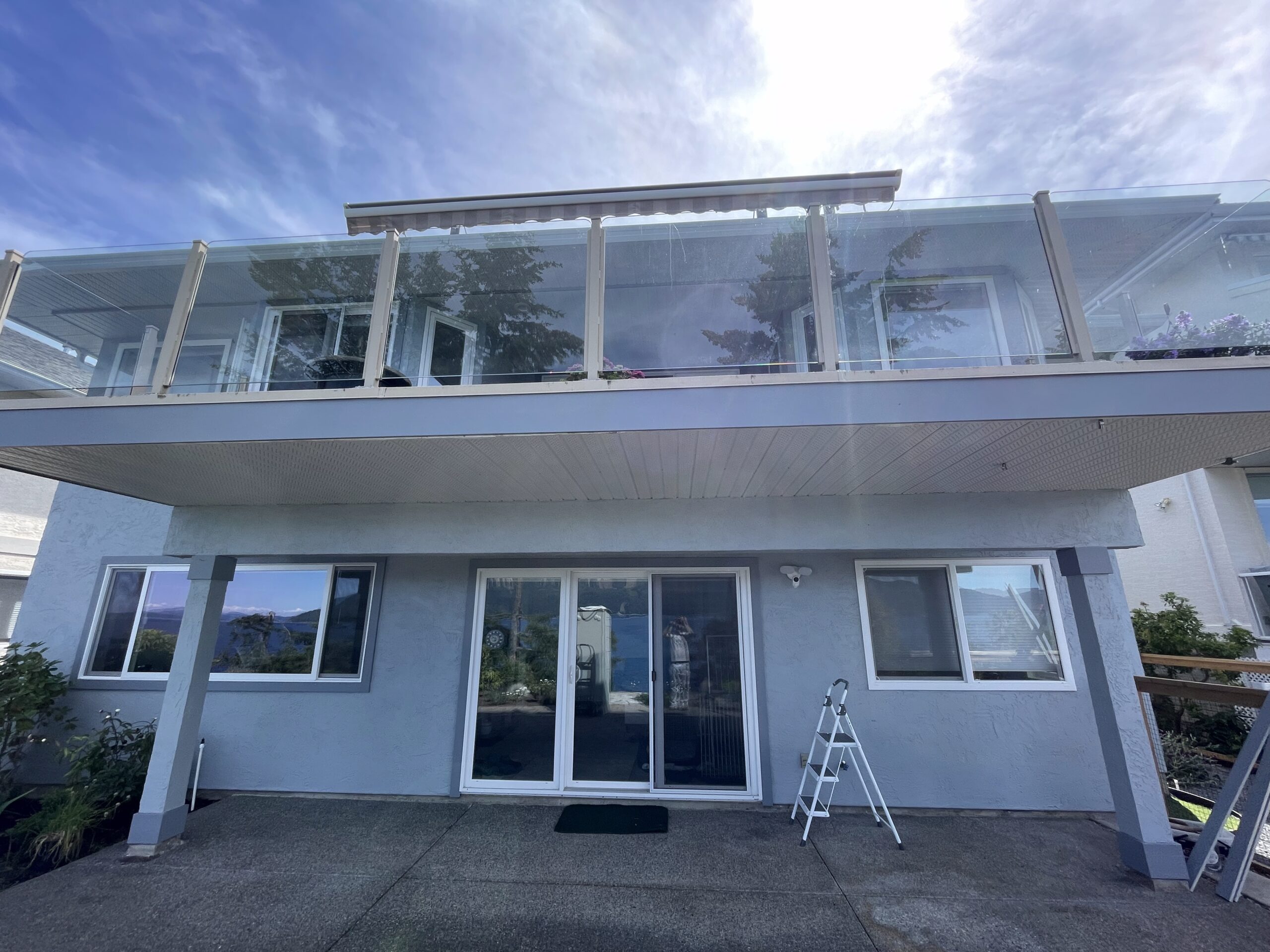
Here’s a quick checklist for homeowners who want to feel confident and avoid second-guessing:
- Choose 3–5 serious color candidates. Don’t overwhelm yourself with too many choices.
- Purchase real exterior paint samples, not just swatches. Get small cans in your top contenders.
- Apply 2′ x 2′ patches on multiple sides of the home. Try north, south, east, and west exposures.
- Use primer if testing over dark or bare surfaces.
- Observe your samples for at least 3 days. Morning, noon, and night.
- View from different distances. Stand across the yard or street.
- Compare colors against roofing, stonework, and trim.
- Take your time. Sleep on your decision before committing.