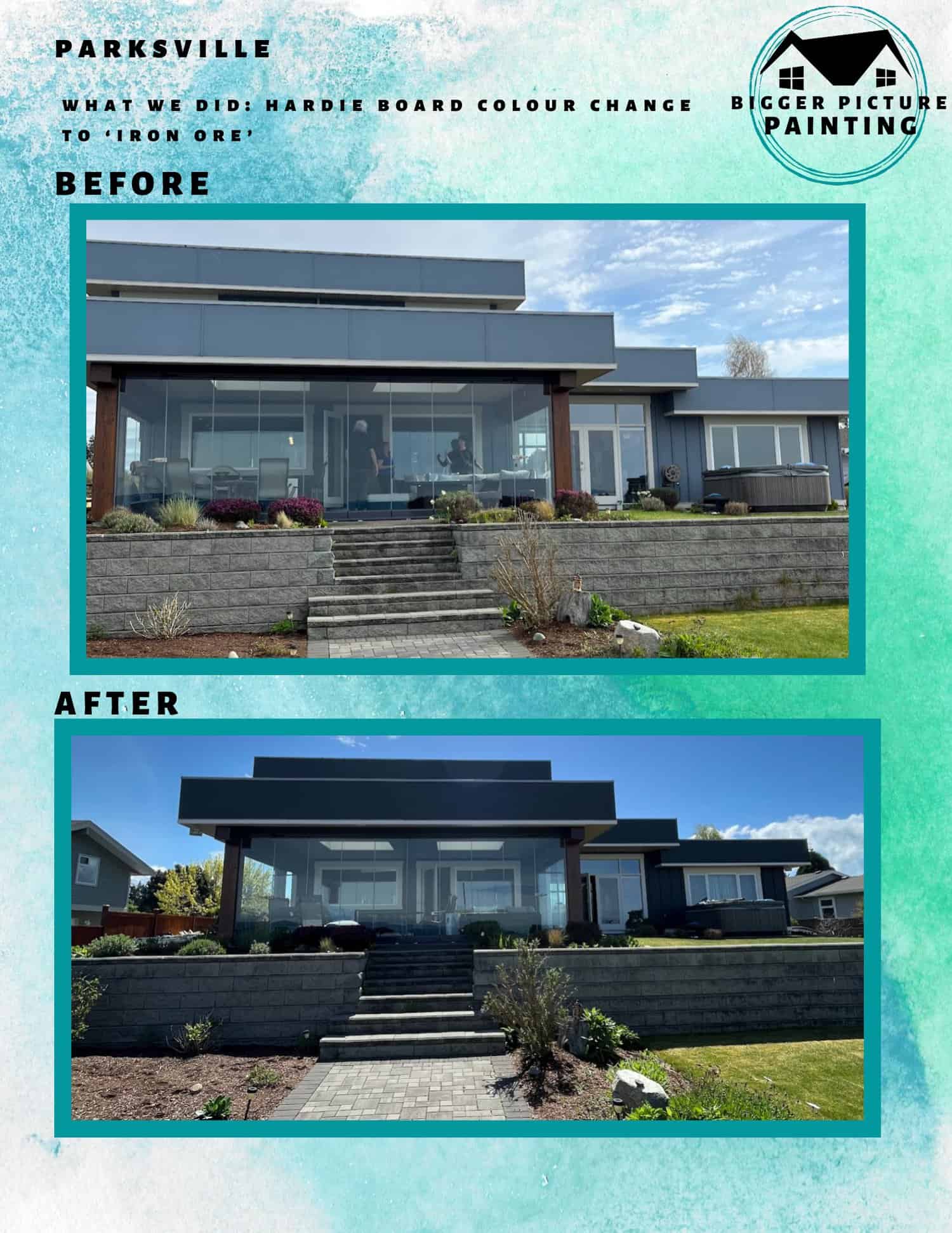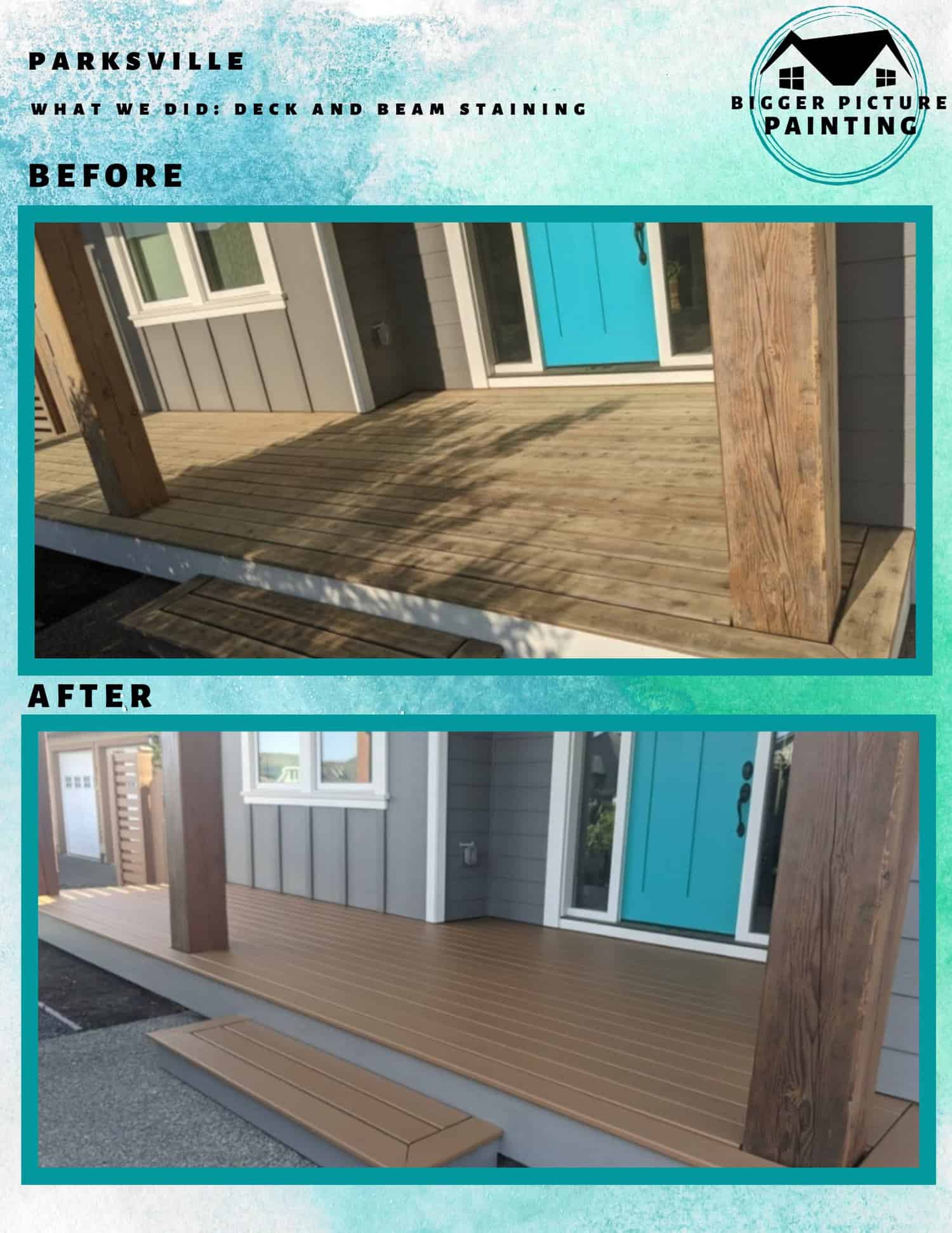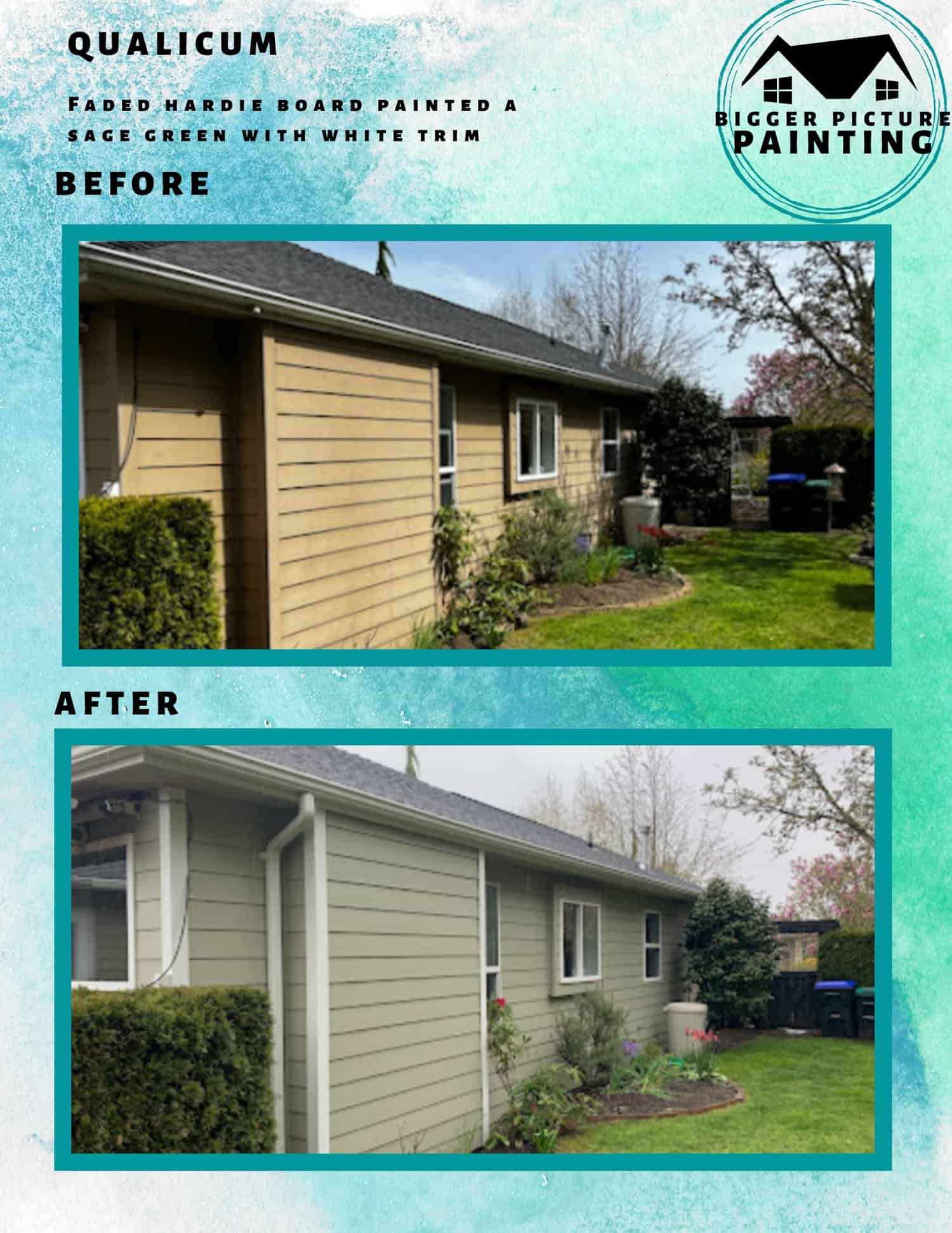
You asked for a quote, got a number, and now you’re wondering how they got there.
It’s a fair question. Exterior painting prices on Vancouver Island can vary by thousands of dollars between companies, and not always for reasons that are obvious upfront. Before you compare quotes side by side, it helps to understand what’s actually driving the numbers.
Home Size Is the Starting Point, Not the Whole Story
Most painters calculate exterior projects by square footage of paintable surface area. That means walls, trim, soffits, fascia, and any other surfaces getting paint.
A smaller home might have around 1,200 to 1,500 square feet of exterior surface area. A two-story home with complex rooflines and more trim detail can push past 3,000 square feet easily. More surface area means more paint, more labour hours, and a higher total cost.
What homeowners often miss is that square footage is just the base number. Everything else on this list gets layered on top of it.
A home in good condition with solid existing paint might need 1 to 2 days of prep. A home with deferred maintenance could need 3 to 5 days before paint even starts. That difference shows up directly in your quote.
What Affects Exterior Painting Cost Beyond Size and Paint
Square footage and prep get most of the attention, but several other factors quietly push the number up or down.
What a Detailed Quote Should Actually Include
A number on its own doesn’t tell you much. A quote worth comparing should be broken down clearly so you know what you’re getting.
Look for these items in any quote you receive:
If a quote doesn’t include this level of detail, ask for it before you sign anything. Vague quotes have a way of turning into unexpected add-ons once the project is underway.
Vancouver Island’s Climate Adds Prep Steps You Can’t Skip
Rain, salt air, and regular temperature swings put exterior paint through more stress here than in drier inland climates. That means some prep steps that might be optional elsewhere are standard practice on the Island.
Mildew treatment is one example. Homes in shaded or moisture-heavy areas often develop mildew on exterior surfaces, and painting over it without treating it first causes the paint to fail within a season. Proper treatment adds time but protects the finish.
Caulking is another. Gaps around windows and trim are entry points for water, and on a coastal climate home, they’re a direct path to wood rot. Recaulking before painting is a prep step that affects both the paint’s durability and the integrity of the structure underneath.
Understanding how long exterior paint lasts in BC’s climate gives you context for why these steps matter and what skipping them costs you over time.