As the owner of Bigger Picture Painting, I can say this without hesitation. When surface cracks show up shortly after painting, the cause is almost never the paint itself. The real issue is almost always poor surface preparation. Paint does not fail randomly. It fails when the surface underneath it was never properly prepared to support the coating.
In our interior house painting work across Nanaimo, BC, we see this pattern repeatedly. A room looks great at first. Then cracks appear within weeks or months. Homeowners assume the paint was defective. In reality, the failure started long before the paint was opened. Dirt was left behind. Moisture was trapped in the wall. Hairline cracks were ignored. Primer was skipped or mismatched. That is how poor surface preparation turns a fresh paint job into an early failure.
Key Takeaways
-
Poor surface preparation is the leading cause of early surface cracking
-
Paint cracks form when coatings cannot bond or flex with the substrate
-
Moisture, dirt, and untreated defects are the most common hidden triggers
-
Premium paint cannot overcome preparation shortcuts
-
Proper preparation dramatically extends paint life and prevents cracking
What Poor Surface Preparation Really Means in Painting
The Technical Reality of Surface Preparation
Surface preparation is not one task. It is a system. When professionals talk about poor surface preparation, we are referring to a failure to properly clean, repair, dry, profile, and prime a surface so paint can achieve mechanical and chemical adhesion.
Paint relies on friction, absorption, and bonding. If any part of that system is compromised, the coating is stressed the moment it cures. Over time, that stress releases itself as cracking.
This is why industry guidance like the Surface Preparation Standards exists. Paint performance is determined by surface condition, not marketing claims.
How Poor Preparation Happens on Real Projects
In real homes, poor surface preparation usually comes from rushed timelines, cost-cutting decisions, or painters who skip surface evaluation. Existing cracks are painted over instead of repaired. Walls feel dry but still contain moisture. Glossy surfaces are coated without sanding. Old finishes are assumed to be compatible when they are not.
These shortcuts save hours on day one and cost years of paint life later.
Why Preparation Is a System, Not a Step
Preparation steps depend on each other. You can sand perfectly and still fail if moisture is present. You can clean thoroughly and still fail if you skip primer. Poor surface preparation is cumulative. One missed step weakens the entire coating system.
Why Poor Surface Preparation Directly Causes Surface Cracks
Paint Film Stress and Adhesion Failure
Paint cracks when internal stress exceeds adhesion strength. Adhesion depends on surface cleanliness, texture, and chemical compatibility. When poor surface preparation prevents proper bonding, the paint film begins failing immediately, even if the failure is not visible yet.
As temperature and humidity change, surfaces move. Paint tries to move with them. Weak adhesion means the paint cannot keep up, so it cracks.
Substrate Movement Without Proper Conditioning
Drywall, wood, masonry, and plaster all expand and contract differently. Without proper conditioning, that movement transfers directly into the paint. In interior house painting projects throughout Nanaimo, BC, seasonal humidity shifts amplify this stress.
Preparation stabilizes the surface so movement is distributed evenly instead of concentrating at weak points.
Why Cracking Appears Before Peeling
Cracking is an early warning sign. Peeling usually comes later. When poor surface preparation is the cause, the paint is still partially bonded. Cracks form first. As adhesion continues to fail, peeling follows.
The Most Common Poor Surface Preparation Errors That Cause Cracks

Painting Over Dirt, Dust, and Residue
Contaminants block adhesion at a microscopic level. Grease, dust, cleaning residue, and airborne pollutants all interfere with bonding. This is one of the most common poor surface preparation issues we uncover during repainting jobs.
Skipping Moisture Testing and Dry Time
Walls can feel dry and still contain moisture. When paint traps that moisture, vapor pressure builds behind the film. Cracks spread outward as pressure cycles. This is especially common in bathrooms and kitchens after rushed interior house painting.
Ignoring Existing Cracks and Defects
Paint does not hide defects. It highlights them. Hairline cracks that are not repaired will expand once painted. When poor surface preparation ignores these flaws, cracking is guaranteed.
Painting Over Loose or Chalking Paint
Old paint that is chalking or poorly bonded must be removed or stabilized. Painting over it ensures the new coating will crack because it is only as strong as the weakest layer beneath it.
Moisture-Related Preparation Errors That Accelerate Cracking
Painting Over Damp Surfaces
Moisture expands and contracts as temperatures change. When trapped beneath paint, it forces the coating outward until cracks form. This is one of the fastest consequences of poor surface preparation.
Failed Caulking and Sealing at Joints
Joints and seams move constantly. Without proper sealing, moisture enters repeatedly. Paint cannot survive that cycle without cracking.
Why Kitchens and Bathrooms Crack Faster
Humidity concentrates in enclosed spaces. Without moisture-aware preparation, cracking appears quickly after interior house painting in these rooms.
Substrate-Specific Surface Preparation Failures
Drywall Preparation Mistakes
Improper sanding, joint compound shrinkage, and skipped primer cause cracks along seams. This is a classic sign of poor surface preparation.
Wood Surface Preparation Errors
Wood expands seasonally. Without proper sanding, sealing, and priming, paint cracks along grain lines and fasteners.
Masonry and Stucco Failures
Porosity and alkalinity must be addressed. Without it, paint becomes brittle and cracks prematurely.
Primer Errors That Contribute to Cracking
Skipping Primer Entirely
Finish paint cannot stabilize a surface. Primer creates the bond. Skipping it is a core poor surface preparation failure.
Using the Wrong Primer
Applying latex over improperly prepared oil-based paints is one of the most common causes of cracking and adhesion failure.
Uneven Primer Coverage
Uneven priming creates uneven stress. Over time, cracks appear where absorption differs.
Can High-Quality Paint Overcome Poor Surface Preparation?
Why Paint Quality Cannot Fix Prep Failures
Even the best paint depends on surface conditions. Poor surface preparation limits performance regardless of price.
The Myth of Crack-Resistant Paint
There is no paint that can overcome moisture, contamination, or instability beneath it. Physics always wins.
The Long-Term Cost of Poor Surface Preparation
Shortened Paint Lifespan
Properly prepared surfaces last years longer. Poor prep can cut lifespan in half or worse.
Hidden Damage Behind Cracks
Cracks often conceal moisture damage, rot, or substrate failure that worsens over time.
Higher Maintenance Costs
Repainting early costs far more than preparing correctly the first time.
How Professional Painters Prevent Cracking Through Proper Preparation
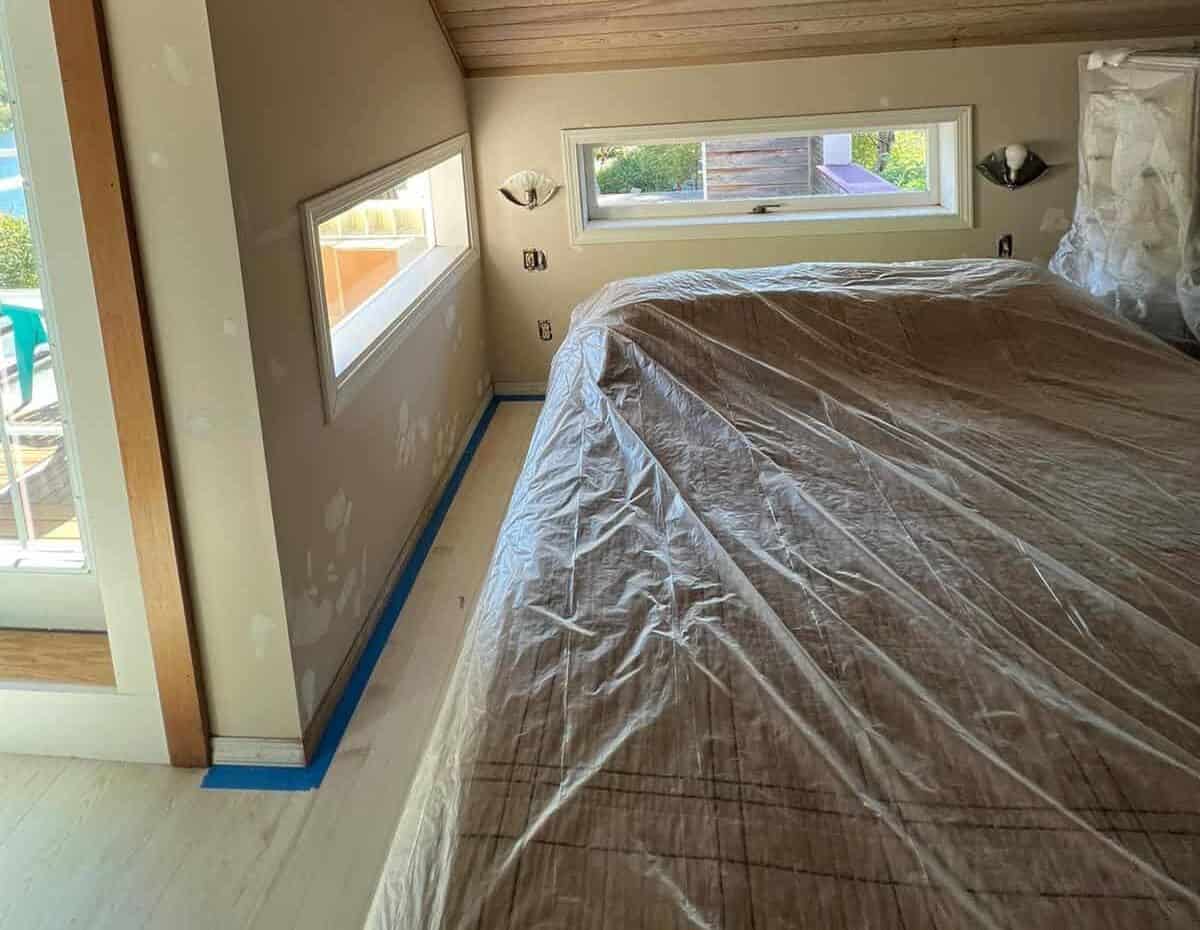
At Bigger Picture Painting, every interior house painting project in Nanaimo, BC starts with inspection, moisture testing, adhesion checks, and substrate evaluation. We clean beyond what is visible, repair based on root cause, and match primers and coatings to the surface.
This is how cracking is prevented. Not with better paint, but with better preparation.
Surface Cracks Are a Preparation Problem
Surface cracks are not random defects. They are symptoms of poor surface preparation beneath the paint. Long-lasting results begin before the first coat is applied. When preparation is done correctly, paint protects, flexes, and lasts. When it is not, failure is inevitable.