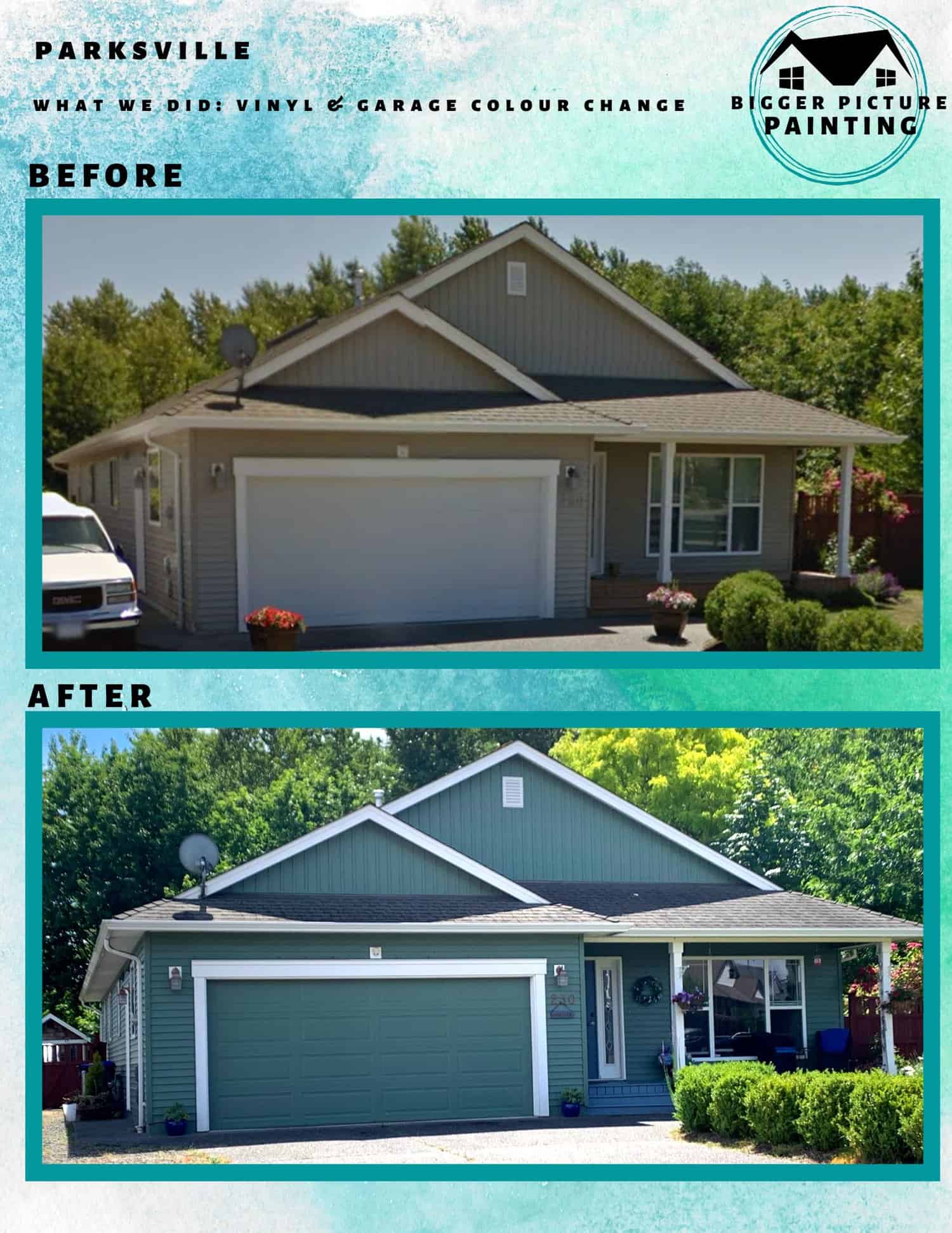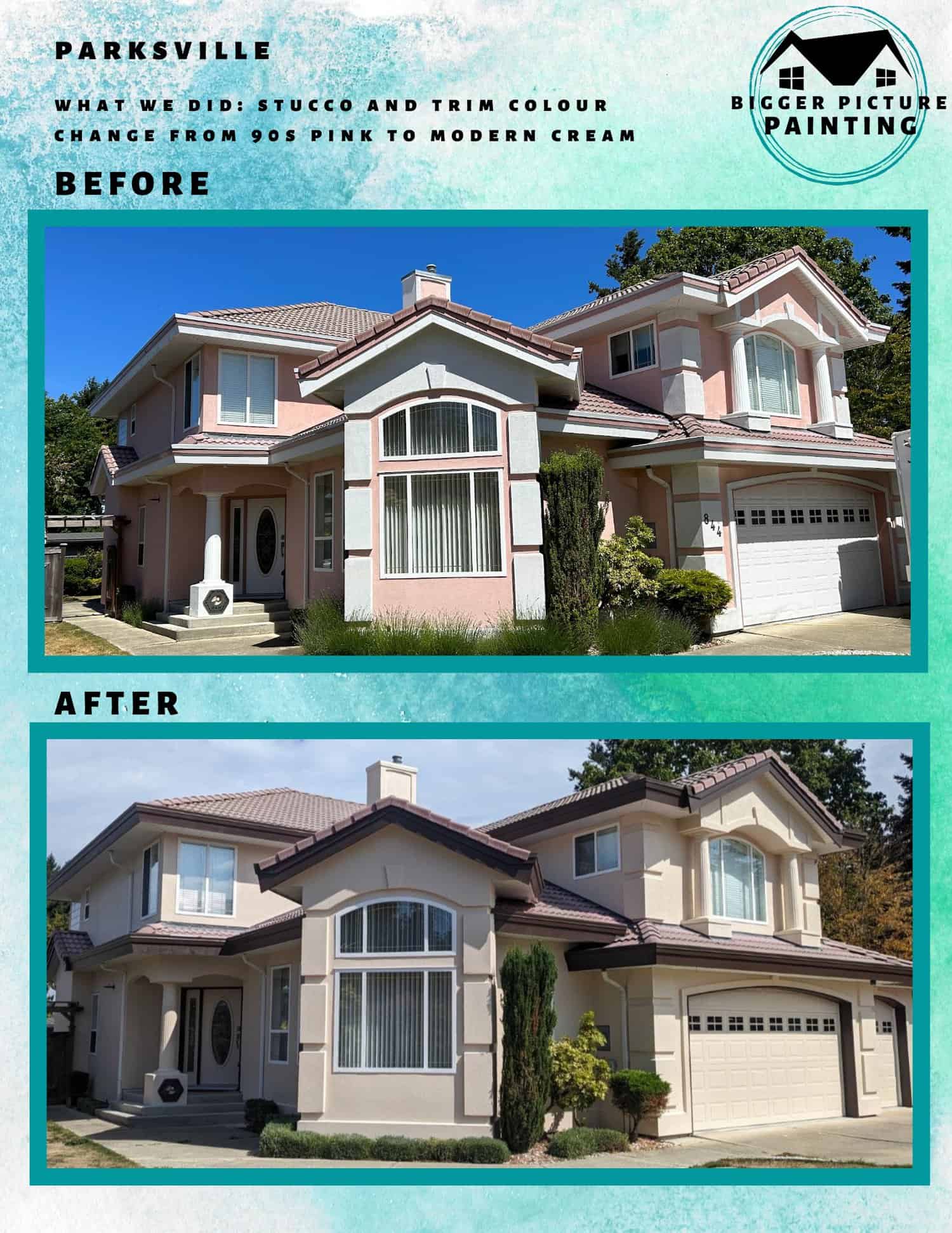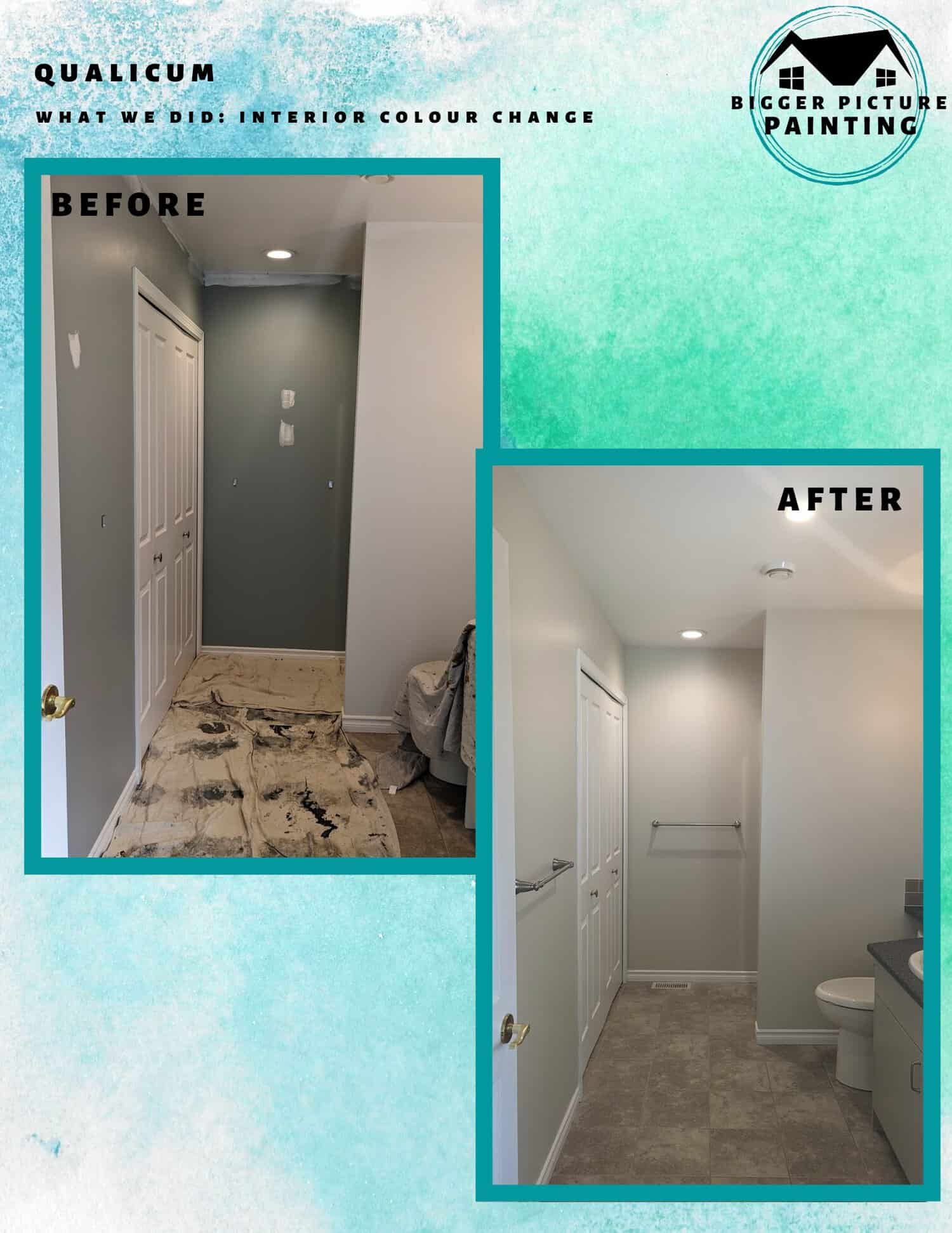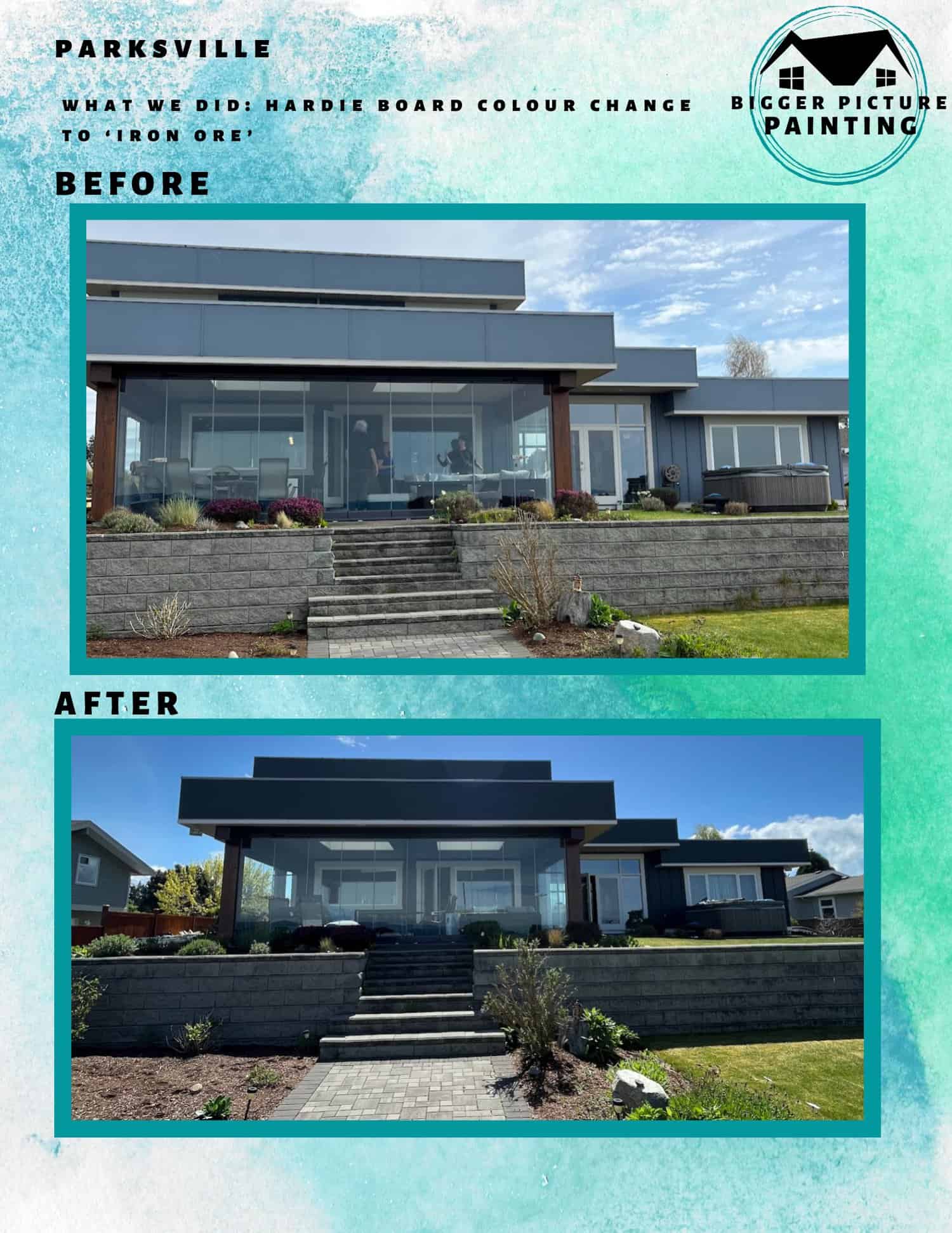
Paint gets most of the attention during a painting project. People talk about color, sheen, and brand. But the product that often decides how well that paint performs is something much less exciting.
Paint primer.
A lot of homeowners assume primer is optional now. After all, many paint cans say “paint and primer in one.” That sounds convenient, but it doesn’t tell the full story.
Professional painters still rely on paint primer for one simple reason. It helps paint stick better and last longer. Without it, even high-quality coatings can struggle to bond to certain surfaces.
Let’s break down what primer actually does and when it becomes part of a good painting system.
Key Takeaways:

What Paint Primer Actually Does
Paint primer creates a bonding layer between the surface and the paint that follows.
Paint alone sometimes struggles to grip smooth, porous, or previously painted materials. Primer solves that problem.
Think of primer as the middle layer that prepares the surface so paint can perform the way it was designed to.
A good primer typically helps with:
- Adhesion between paint and surface
- Blocking stains or previous colors
- Creating a more even finish
- Improving the durability of the paint system
Without primer, paint may still look good on day one. The problems often show up months or years later when peeling or uneven coverage starts to appear.
Why Surfaces Need Primer
Different building materials behave differently when paint is applied.
Some materials absorb paint quickly. Others repel it completely.
That is where paint primer becomes useful. It balances the surface so the paint layer can cure properly.
Here are a few examples.
- Drywall is extremely porous. If paint is applied directly to new drywall, the surface can soak up paint unevenly.
- Wood contains natural oils and tannins that may bleed through paint.
- Masonry and concrete often have small pores that affect paint adhesion.
Primer helps stabilize these surfaces before the finish coat goes on.
Common Types Of Paint Primer
Not all primers are the same. Professional painters choose primers based on the material being painted and the condition of the surface.
Here are some of the most common types used today.
Latex Primer
Latex primer is water based and widely used for interior walls and ceilings.
It works well on drywall, plaster, and previously painted surfaces.
Benefits include:
- Low odor
- Fast drying time
- Easy cleanup with water
Latex primer pairs well with acrylic paint systems commonly used on interior painting projects.
Oil-Based Primer
Oil-based paint primer has been used for decades, especially for difficult surfaces.
It performs well on wood, trim, and surfaces that contain stains or knots.
Advantages include:
- Strong adhesion
- Excellent stain blocking
- Good durability
The tradeoff is longer drying time and stronger odor compared with water based products.
Shellac Primer
Shellac primers are known for serious stain blocking.
They are often used when surfaces contain smoke damage, water stains, or heavy discoloration.
Shellac primer dries quickly and creates a strong barrier between the stain and the new paint.
However, these primers are usually reserved for specific situations rather than general use.
Bonding Primer
Bonding primers are designed to stick to slick or difficult surfaces.
For example:
- Glossy cabinets
- Tile
- Glass
- Previously coated surfaces
These primers help paint grip materials that normally resist paint adhesion.
Bonding primer has become more common as modern coatings are applied to a wider range of surfaces.
When Paint Primer Is Usually Needed
A primer is not required on every project, but there are situations where skipping it can create problems later.
Professional painters typically apply paint primer in situations such as:
- New drywall installations
- Major color changes
- Surfaces with stains or water damage
- Raw wood surfaces
- Repairs that involve patching or sanding
- Exterior surfaces exposed to weather
Primer helps create a uniform surface so the finish coat performs consistently across the entire wall or exterior surface.
How Primer Improves Paint Coverage
One benefit people notice quickly is better coverage.
When paint is applied directly to porous surfaces, the first coat often disappears into the material. That means extra coats are required to achieve full coverage.
A properly applied paint primer reduces that absorption. The result is a more consistent color and smoother appearance across the entire surface. This is especially helpful when switching from a darker color to a lighter one.
Paint And Primer In One. Does It Replace Primer?
Paint and primer combinations have improved in recent years. They can work well for repainting walls that are already in good condition.
But these products are still paint.
They do not fully replace paint primer when surfaces need stain blocking or strong adhesion.
For example, painting over glossy trim, raw wood, or new drywall usually still calls for a dedicated primer.
Professional painters often evaluate the surface first before deciding whether primer is necessary.
Primer And Long-Term Durability
The real benefit of paint primer shows up years later. A properly primed surface holds paint more securely. That reduces peeling, cracking, and premature paint failure.
Exterior surfaces especially benefit from this step. Sun, moisture, and temperature changes constantly stress exterior coatings.
Primer creates a stable base that helps the paint system hold up through those conditions. Skipping primer may save time initially, but it often shortens the life of the paint project.
Why Paint Primer Still Deserves Attention
Paint color might get the spotlight, but primer quietly does much of the heavy lifting.
It helps coatings stick, blocks stains, and improves the durability of the entire paint system.
When the right paint primer is used for the surface, the finish tends to last longer and look more consistent.
Here is how Bigger Picture Painting approaches painting projects to help surfaces perform well over time:
- Careful surface evaluation before any coatings are applied
- Cleaning and sanding to prepare for strong adhesion
- Selecting the correct primer for the material
- Applying high-quality paint systems for durability
- Maintaining organized workspaces and proper material handling
If you are planning to refresh your home, the team at Bigger Picture Painting would be glad to help. We proudly serve Parksville and the surrounding areas.
Call 778-200-7756 for a FREE estimate and learn how a well-prepared painting system can help your home look better and last longer.