Paint adhesion is fundamental to a durable, visually appealing, and protective coating. Simply put, paint sticks when the surface is properly prepared, the paint is compatible, and environmental conditions are optimal. Failures occur when one or more of these factors are compromised.
Poor adhesion leads to peeling, blistering, flaking, and uneven finishes. This can compromise aesthetics, shorten the life of your paint, and increase maintenance costs. For homeowners, facility managers, and commercial property operators, understanding the principles of paint adhesion can prevent costly repainting and preserve surfaces.
This guide explores the science behind adhesion, common surface challenges, product selection, service-specific techniques, and troubleshooting strategies to ensure long-lasting results.
The Science of Paint Adhesion
How Paint Bonds
Paint adhesion occurs through a combination of mechanical bonding, chemical bonding, and surface tension effects:
-
Mechanical bonding happens when paint flows into microscopic pores and crevices in the substrate, locking the coating in place.
-
Chemical bonding involves molecular interactions between binders in the paint and the substrate surface.
-
Surface tension influences wetting, ensuring the paint spreads evenly and penetrates the surface irregularities.
The effectiveness of adhesion depends on paint composition, including binders, pigments, and additives, as well as substrate surface energy and porosity. Smooth, low-energy surfaces like glass or glossy paint are naturally challenging, while porous surfaces like plaster or concrete facilitate mechanical bonding.
Environmental conditions such as temperature, humidity, and dust during application also impact adhesion. High humidity, for instance, can leave a thin moisture layer, reducing the bond between paint and substrate.
Common Surface Types and Adhesion Challenges
Drywall and Plaster
Drywall is smooth, slightly porous, and susceptible to dust and grease. Proper adhesion requires cleaning, sanding, and priming. Skipping these steps often results in patchy coverage or flaking after a few months.
Plaster surfaces, especially older ones, may have residual salts or loose particles. These need sealing with a high-quality primer to ensure paint adhesion.
Wood Surfaces
Wood presents multiple adhesion challenges: natural oils, grain direction, and moisture content all influence how paint bonds. Without sanding and sealing, paints may lift or peel, especially on softwoods or exterior trim. Primers like Zinsser Bulls Eye 1-2-3 or Kilz Premium are highly effective for bonding to wood.
Concrete, Masonry, and Brick
Porosity and alkalinity are primary obstacles for masonry surfaces. Concrete naturally absorbs moisture, which can interfere with paint adhesion if not primed. Masonry primers and sealers like Behr Masonry, Concrete & Brick Primer prevent peeling and improve long-term performance.
Metal Surfaces
Metal presents adhesion challenges due to rust, corrosion, and smooth surfaces. Thorough cleaning, sanding, and the application of metal primers like Rust-Oleum Protective Enamel Primer are essential. Without proper preparation, even high-quality coatings may bubble or flake.
Glossy or Previously Painted Surfaces
Painting over smooth, glossy finishes often results in poor adhesion. Surfaces must be lightly sanded or chemically deglossed. Adhesion tests, like a small patch trial, are recommended to confirm compatibility.
Product-Specific Factors Influencing Adhesion
Paint type directly affects adhesion:
-
Latex paints: Flexible, good adhesion on porous surfaces, easy to apply.
-
Oil-based paints: Strong chemical bonding but less forgiving on moisture-prone substrates.
-
Epoxy coatings: Excellent adhesion on metals and high-traffic areas, often used in utility spaces.
Primers enhance bonding by sealing porous surfaces, neutralizing substrate chemistry, and improving wetting. Additives and bonding agents can further improve adhesion on challenging surfaces, such as glossy cabinets or cured concrete.
Service-Specific Best Practices for Ensuring Paint Adhesion
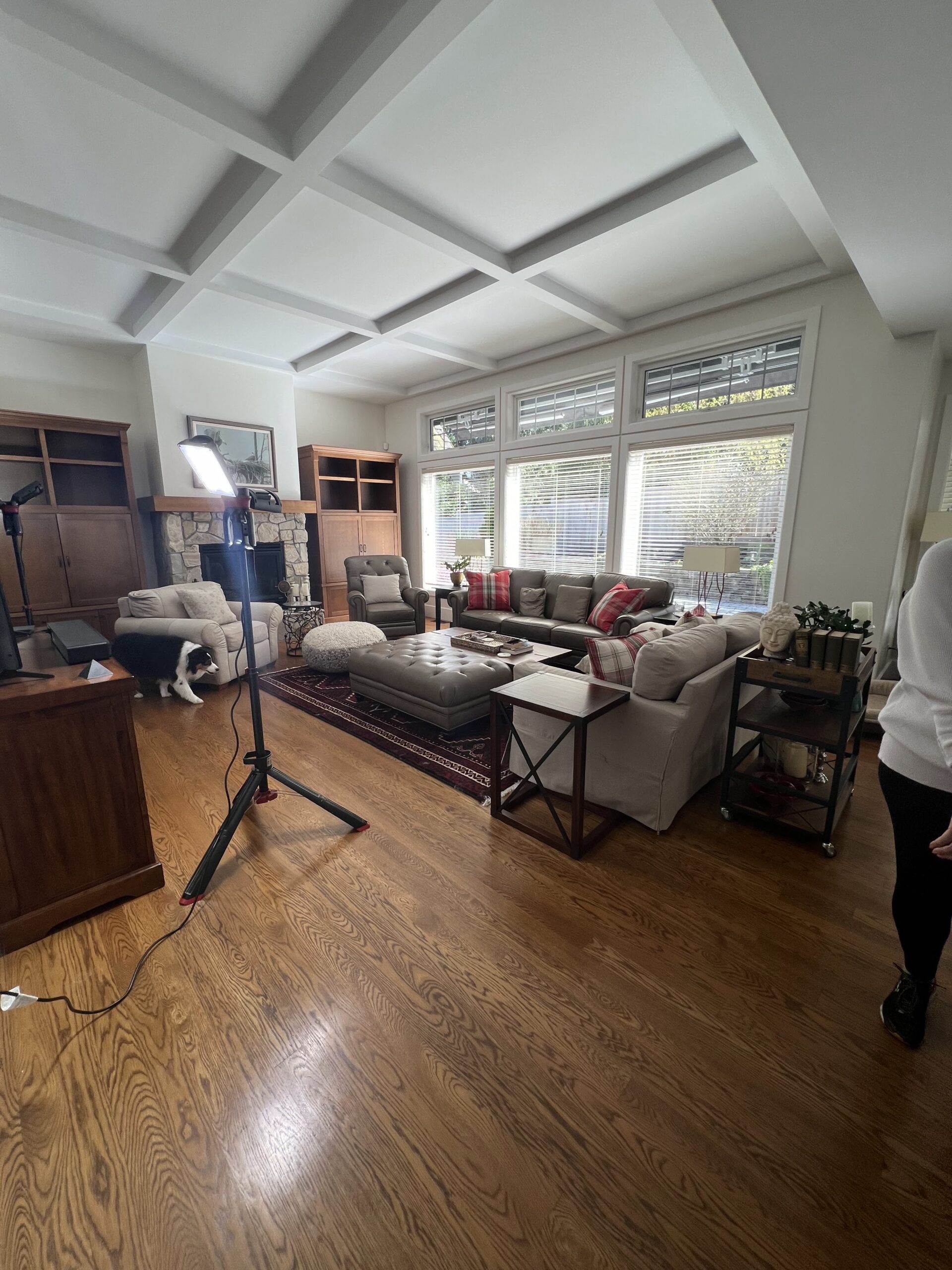
Surface Preparation Techniques
Surface prep is critical:
-
Cleaning: Remove dirt, grease, and mold using mild detergents or TSP.
-
Sanding: Creates micro-roughness for better mechanical bonding.
-
Chemical treatments: Deglossers or etching agents for hard surfaces like metal or glossy paint.
-
Moisture testing: Ensures walls, wood, or masonry are dry enough to accept paint.
Using adhesion-promoting primers seals substrates, improves wetting, and mitigates common adhesion failures.
Application Techniques
Correct application further strengthens adhesion:
-
Tools: Brushes, rollers, or sprayers selected for surface type.
-
Environmental control: Maintain proper temperature (50–85°F) and humidity (<60% RH) for optimal curing.
-
Drying and curing: Allow adequate time between coats; rushed application can trap solvents or moisture, weakening adhesion.
Common Causes of Paint Adhesion Failure
-
Inadequate surface preparation: Skipping sanding, cleaning, or priming.
-
Dirty, oily, or damp substrates: Contaminants interfere with bonding.
-
Incompatible primers or paints: Some paints do not chemically bond to certain surfaces.
-
Environmental factors: Dust, humidity, and temperature fluctuations during painting.
Surface Challenges and Recommended Solutions
| Surface | Common Adhesion Issues | Recommended Solution |
|---|---|---|
| Drywall | Dust, chalk, porous surface | Clean, sand, prime with high-quality latex primer |
| Wood | Oils, moisture, grain direction | Sand, seal, use bonding primer |
| Concrete/Masonry | Porosity, alkalinity | Masonry primer, moisture barrier |
| Metal | Rust, smoothness | Sand, clean, apply metal-specific primer |
| Glossy Paint | Smooth surface, low surface energy | Degloss, sand, use adhesion promoter |
People Also Asked (PAA)
-
Why does paint peel or fail to stick on walls? Often due to poor prep, contaminants, or moisture.
-
How do I improve paint adhesion on wood or metal? Sand, clean, prime, and use compatible paint types.
-
What primer should I use for better paint adhesion? Substrate-specific primers like Zinsser Bulls Eye 1-2-3 for wood, Rust-Oleum for metal, masonry primers for concrete.
-
Can I paint over glossy surfaces without sanding? Only with chemical deglossers and adhesion-promoting primers; sanding is still best.
-
How does moisture affect paint adhesion? Moisture interferes with chemical bonding and can cause bubbling or peeling.
-
What causes paint to bubble or peel after application? A combination of trapped moisture, poor prep, and incompatible products.
-
How long should I wait before repainting to ensure adhesion? Typically, 24–48 hours for latex, longer for oil-based coatings.
-
Does paint adhesion differ between interior and exterior surfaces? Yes, exterior surfaces face UV, rain, and thermal expansion, requiring specialized primers and flexible paints.
Troubleshooting Paint Adhesion Problems
Signs of poor adhesion include peeling, blistering, flaking, or cracking. Minor issues can sometimes be corrected with spot sanding and primer touch-ups. For extensive failures, stripping and repainting is often necessary. Professional assessment ensures the correct products and techniques are applied.
Choosing the Right Paint and Service Provider

Paint Selection
Check manufacturer datasheets for:
-
Flexibility
-
Adhesion performance
-
Substrate compatibility
Selecting high-quality paint prevents premature failures.
Service Provider Qualities
-
Experience with multiple substrates
-
Knowledge of adhesion-promoting techniques
-
Willingness to perform moisture and surface tests
Asking about prep methods, primer selection, and curing times ensures optimal results.
Recommended Products for Strong Adhesion
| Product | Surface | Key Features |
|---|---|---|
| Benjamin Moore Regal Select | Interior walls | High adhesion, flexible, low VOC |
| Sherwin-Williams ProMar 200 | Drywall, plaster | Excellent substrate bonding, washable |
| Rust-Oleum Protective Enamel Primer | Metal | Rust-inhibiting, strong adhesion |
| Zinsser Bulls Eye 1-2-3 Plus | Wood, previously painted surfaces | Mold-resistant, bonding primer |
| Behr Masonry, Concrete & Brick Primer | Concrete, brick | Seals pores, improves paint adhesion |
Conclusion
Paint adhesion is the cornerstone of durable, attractive, and protective coatings. Failures arise from improper preparation, incompatible products, and environmental stress. By understanding surface characteristics, paint formulation, primers, and application techniques, property owners can prevent peeling, flaking, and bubbling.
Best practices include: thorough surface prep, using substrate-appropriate primers, applying high-quality paint, controlling environment during application, and consulting experienced professionals when needed.