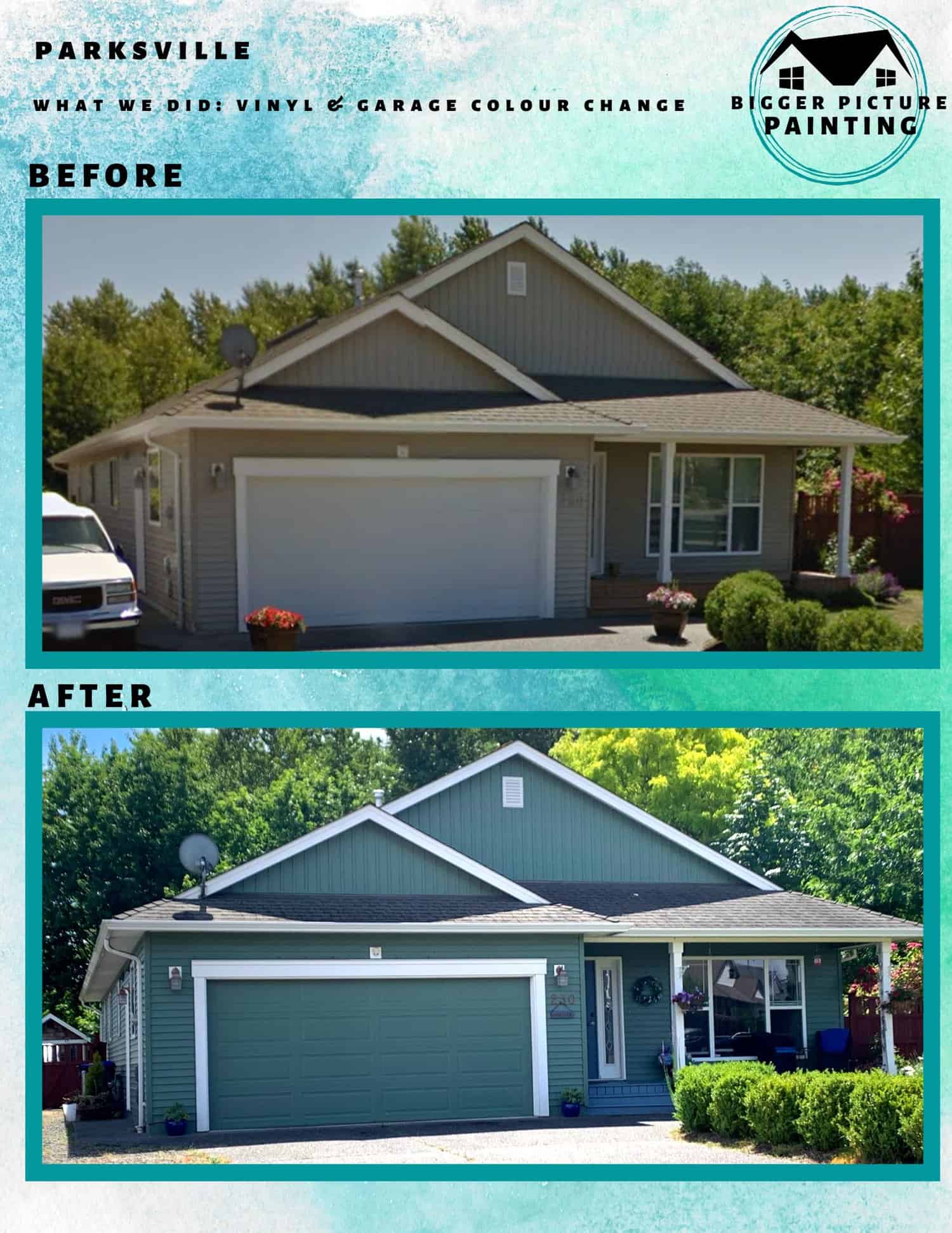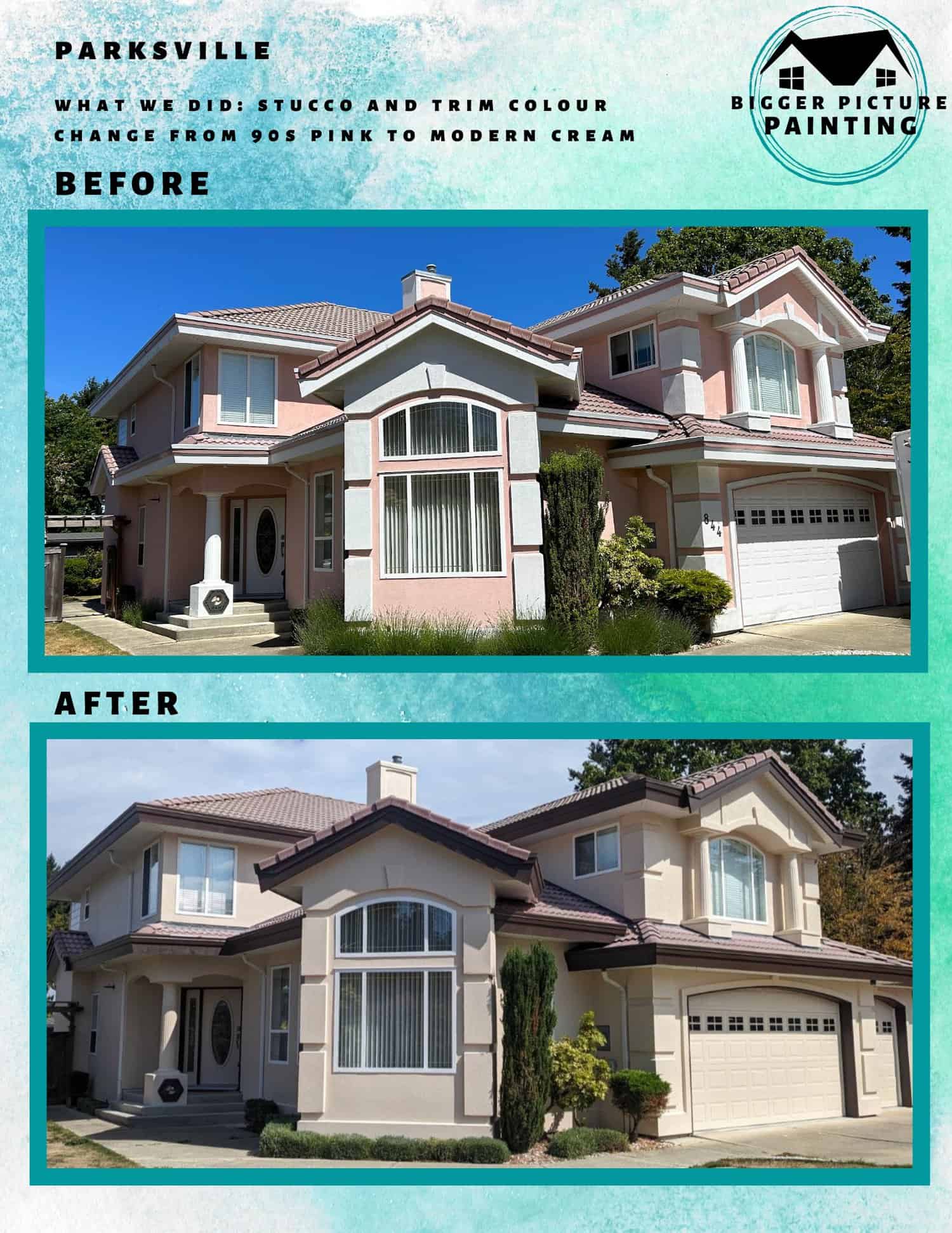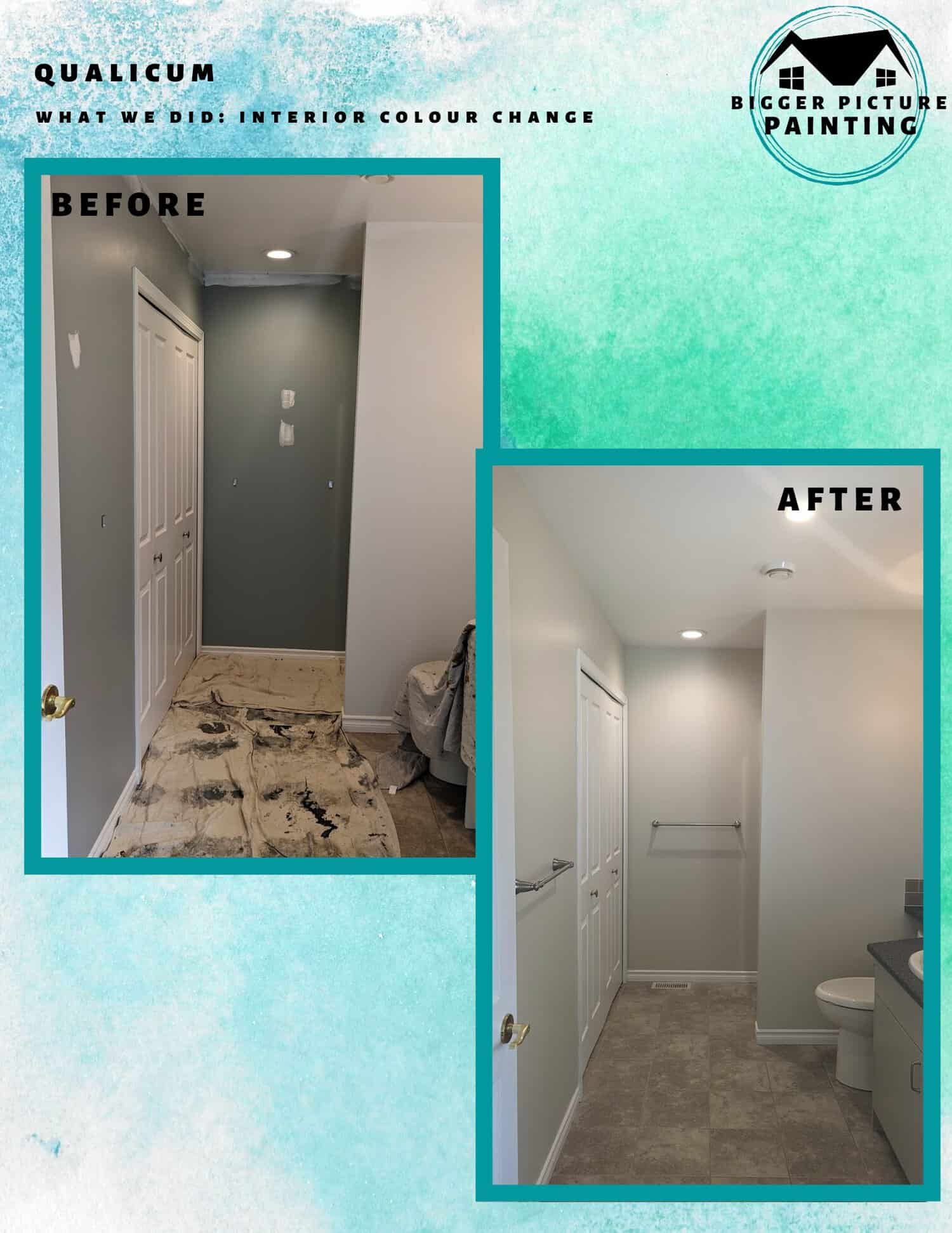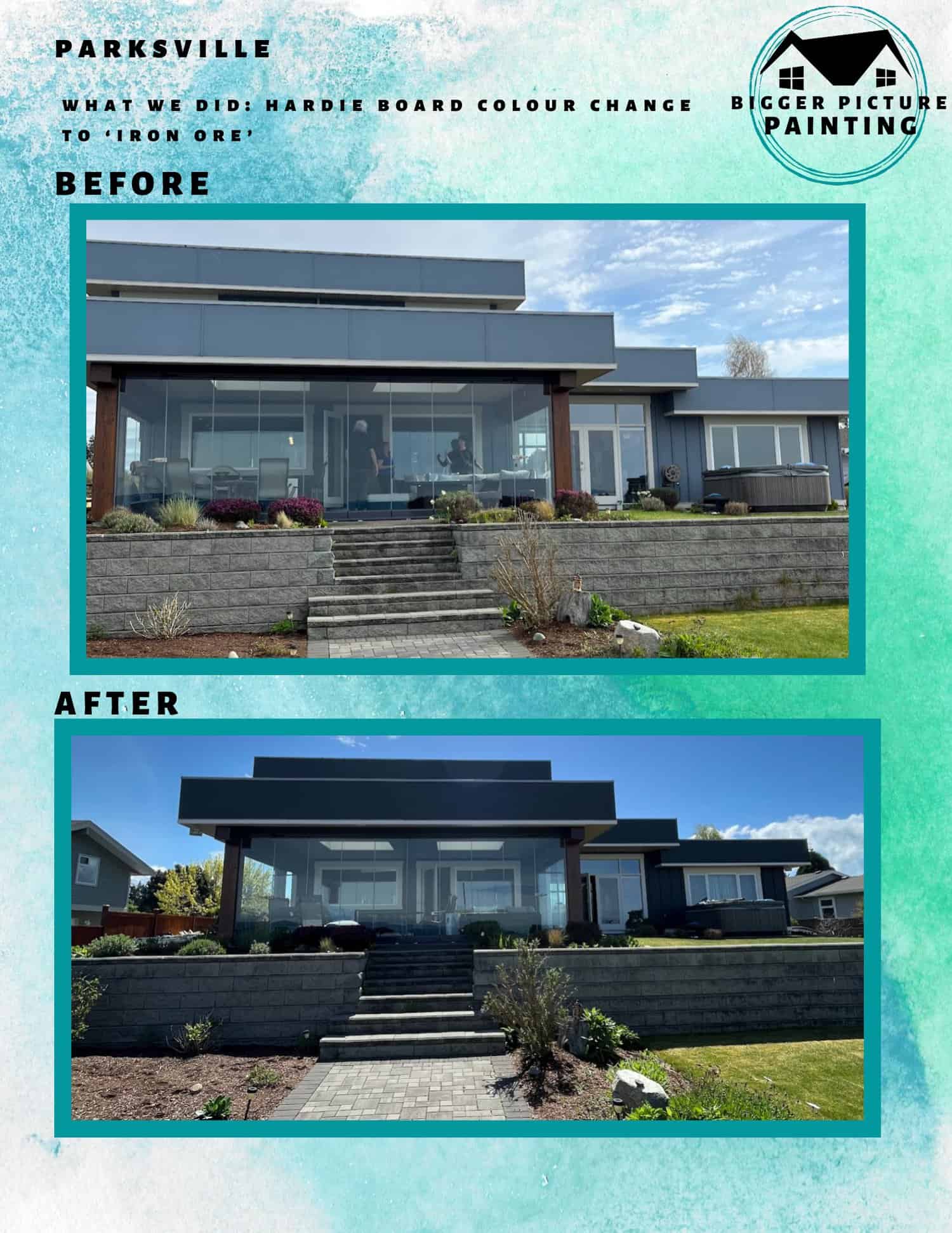
When planning your exterior house painting project, choosing the right exterior paint type feels overwhelming. You’ve probably heard conflicting advice about acrylic vs latex vs oil based paint, and you want to make sure you pick the option that will protect your home and look great for years to come. The truth is, acrylic paint typically ranks as the best paint type for most modern applications due to its superior durability, flexibility, and weather resistance.
Here’s the quick ranking: acrylic paint takes first place for overall performance, latex paint comes in second as the budget-friendly option, and oil-based paint ranks third with specific specialty uses. But before you make your final decision, let’s dive into exactly why each paint type performs the way it does and which one makes the most sense for your specific situation.

Acrylic Paint: The Top-Ranked Paint Type
When homeowners ask about the best exterior paint type, acrylic paint consistently earns the top recommendation from professional painters and paint manufacturers alike. Here’s why acrylic dominates the acrylic vs latex vs oil based paint comparison:
Superior Durability and Longevity
Acrylic paint typically lasts 8-12 years on exterior surfaces, making it the most durable paint type available. The 100% acrylic resin formula creates a flexible film that expands and contracts with temperature changes without cracking or peeling.
Excellent Weather Resistance
This exterior paint type excels in challenging weather conditions. Acrylic paint resists fading from UV exposure, repels moisture effectively, and maintains its protective properties through freeze-thaw cycles that destroy other paint types.
Versatile Surface Compatibility
Acrylic works well on virtually every exterior surface including wood siding, fiber cement, stucco, brick, and previously painted surfaces. This versatility makes it the go-to exterior paint type for most exterior house painting projects.
Premium Product Examples
Leading acrylic exterior paint types include Benjamin Moore Aura Exterior, Sherwin-Williams Duration Exterior Acrylic, and Behr Premium Plus Ultra Exterior. These products typically come with 10-15 year warranties, reflecting their superior performance.
Latex Paint: The Budget-Friendly Exterior Paint Type
Latex paint ranks second in our paint type comparison, offering good performance at a more affordable price point. Here’s what you need to know about this popular exterior paint:
Composition and Performance
Latex paint uses water-based formulation with vinyl acrylic binders. While not as durable as 100% acrylic, quality latex exterior paint types still provide 5-8 years of protection when properly applied.
Key Advantages
This paint type offers easy cleanup with soap and water, faster drying times, lower odor, and reduced environmental impact compared to oil-based alternatives. These factors make latex a practical exterior paint for many homeowners.
Cost Effectiveness
Latex typically costs 20-30% less than premium acrylic options, making it an attractive paint type for budget-conscious projects or rental properties where frequent updates are planned.
Performance Limitations
In the acrylic vs latex vs oil based paint comparison, latex shows more susceptibility to weather damage than acrylic. It may fade faster in intense sun and doesn’t handle extreme temperature swings as well as premium acrylic formulations.
Oil-Based Paint: The Specialty Exterior Paint Type
Oil-based paint ranks third in our paint type evaluation, with specific advantages that keep it relevant despite environmental concerns and application challenges.
Traditional Strengths
Historically, oil-based was considered the premium exterior paint type due to excellent adhesion properties and smooth, durable finish. It still excels for certain specialty applications.
Superior Adhesion
This paint type bonds exceptionally well to chalky, weathered, or previously oil-painted surfaces where other paints might fail to adhere properly.
Smooth, Professional Finish
Oil-based paint levels beautifully, creating smooth finishes that many professionals prefer for trim, doors, and architectural details.
Modern Limitations
Environmental regulations have limited oil-based options in many areas. It also requires mineral spirits for cleanup, has strong odors, and takes much longer to dry than water-based alternatives.
Durability Concerns
Despite its reputation, oil-based paint often underperforms other paint types in modern applications. It tends to become brittle over time, leading to cracking and chalking that requires extensive preparation for repainting.
Climate Considerations for Your Exterior Paint Type Choice
Your local weather patterns significantly influence which paint type will perform best on your home. Understanding these factors helps you make the right choice in the acrylic vs latex vs oil based paint decision.
Coastal Climates
Areas like Mill Bay, BC face unique challenges including salt air, high humidity, and temperature fluctuations. Acrylic typically performs best as the exterior paint type for coastal homes due to its moisture resistance and flexibility.
Hot, Dry Climates
Intense UV exposure and low humidity favor acrylic as the best exterior paint. Its superior fade resistance and ability to maintain flexibility in extreme heat make it the clear choice for desert and high-altitude locations.
Cold Climates with Freeze-Thaw Cycles
Temperature swings that cause expansion and contraction in building materials require a flexible exterior paint type. Acrylic’s ability to move with the substrate without cracking makes it ideal for these conditions.
Humid, Temperate Climates
High humidity areas benefit from paint types with good moisture resistance and mildew protection. Both acrylic and quality latex paints can work well, though acrylic typically offers longer-lasting protection.
Surface Material Impact on Exterior Paint Type Selection

The material you’re painting significantly influences which paint type will perform best and last longest.
Wood Siding
Wood requires an paint type that can flex with natural expansion and contraction. Acrylic paint typically provides the best long-term protection for wood siding, though quality latex can also work well in milder climates.
Fiber Cement Siding
This modern siding material works well with any exterior paint type, but acrylic typically provides the longest-lasting results due to its superior adhesion and weather resistance.
Stucco and Masonry
These surfaces can handle any paint type, but breathability becomes important. Acrylic offers the best combination of protection and vapor transmission for these applications.
Metal Surfaces
Metal trim, railings, and siding may still benefit from oil-based primers and paints due to superior adhesion and corrosion resistance, though modern acrylic formulations designed for metal can also work well.
Application Considerations for Each Exterior Paint Type
How your chosen paint type applies and performs during the painting process affects both professional painters and DIY enthusiasts.
Acrylic Application Characteristics
This paint type flows well with brush, roller, or spray application. It dries relatively quickly but allows enough working time for proper technique. Temperature and humidity requirements are moderate and achievable in most conditions.
Latex Application Benefits
Latex is often considered the easiest paint type for DIY application. Quick drying times, easy cleanup, and forgiving application characteristics make it popular for homeowner projects.
Oil-Based Application Challenges
This traditional paint type requires careful attention to weather conditions, has strong odors requiring ventilation, and needs mineral spirits for cleanup. These factors make oil-based less convenient for most modern applications.
Common Myths About Exterior Paint Types
Misconceptions about exterior paint types can lead to poor decisions that cost homeowners money and satisfaction.
“Oil-Based Always Lasts Longest”
This outdated belief ignores modern acrylic formulations that typically outlast oil-based paints in exterior applications. Today’s acrylic is usually the most durable exterior paint type available.
“All Latex Paints Are the Same”
Quality varies dramatically among latex exterior paint types. Premium latex with high-quality binders performs much better than basic formulations, though still typically not as well as pure acrylic.
“More Expensive Paint Is Always Better”
While quality generally correlates with price, the best exterior paint type for your situation depends on your specific needs, not just cost. Sometimes a mid-range option provides the best value.
“Any Exterior Paint Type Works on Any Surface”
Surface compatibility matters significantly. Using the wrong exterior paint type for your specific substrate can lead to adhesion failures and premature paint failure.
Avoiding Costly Mistakes in Exterior Paint Type Selection
Learning from others’ expensive mistakes helps homeowners choose the right exterior paint type the first time.
Many homeowners fall victim to costly paint fads that prioritize trendy features over proven performance. When selecting your exterior paint type, focus on long-term durability and weather resistance rather than marketing gimmicks.
Matching Paint to Climate
Using an exterior paint type not suited for your climate leads to premature failure. Coastal areas, extreme heat, and freeze-thaw cycles all require specific performance characteristics that not every exterior paint type can deliver.
Surface Preparation Shortcuts
Even the best exterior paint type will fail if applied over poorly prepared surfaces. Proper cleaning, priming, and repair work are essential regardless of which exterior paint type you choose.
Ignoring Manufacturer Guidelines
Each exterior paint type has specific application requirements for temperature, humidity, and surface preparation. Ignoring these guidelines leads to performance problems regardless of paint quality.
Making Your Final Exterior Paint Type Decision
With all this information about acrylic vs latex vs oil based paint, how do you choose the right exterior paint type for your specific situation?
For Maximum Longevity
If you want the longest-lasting results and plan to stay in your home long-term, acrylic is typically the best exterior paint type choice. The higher initial investment pays off through extended service life and reduced maintenance.
For Budget-Conscious Projects
When upfront cost is the primary concern, quality latex can serve as an effective exterior paint type for mild climates and shorter-term protection needs. Just plan for more frequent repainting cycles.
For Specialty Applications
Specific situations like heavily weathered surfaces, metal components, or historic restoration projects may still call for oil-based as the appropriate exterior paint type despite its limitations.
For Professional Results
Regardless of which exterior paint type you choose, professional application typically delivers better results and longer performance than DIY attempts, especially for challenging surfaces or weather conditions.
Bottom Line on Exterior Paint Types
The key to success with any exterior paint lies in proper surface preparation, quality application, and choosing a product suited to your specific climate and surface conditions.
Don’t let confusion about exterior paint types delay your home’s protection another season. The experienced team at Bigger Picture Painting has helped countless homeowners in Mill Bay, BC and throughout the region choose the perfect exterior paint type for their specific needs and conditions.
Our professional exterior house painting services include thorough consultation to determine the best exterior paint type for your home’s surfaces, climate exposure, and performance expectations. We work with premium acrylic, quality latex, and specialty oil-based products to ensure you get optimal results regardless of which exterior paint type best suits your situation.