Paint has come a long way in the past couple of decades. Years ago, most coatings were heavy in solvents, strong in odor, and rough on indoor air quality. Today the industry looks very different.
Many homeowners now ask about sustainable painting practices before a project even begins. They want a home that looks great, but they also care about air quality, waste reduction, and long-lasting materials.
The interesting part is that sustainable painting is not just about buying eco-labeled paint. It is really about the entire process. Surface prep, primers, coating selection, and even how leftover paint gets handled all play a role.
Key Takeaways:
Why Sustainable Painting Practices Matter More Than People Think
A lot of people assume sustainability in painting just means buying a different can of paint. That is part of it, but it is only one piece of the picture.
Paint contains resins, pigments, solvents, and additives. Older coatings often released higher levels of volatile organic compounds into the air during drying. These chemicals contribute to air pollution and indoor air quality issues.
Newer acrylic paint formulas have improved dramatically. Many products now contain lower VOC levels while still providing strong adhesion and durability.
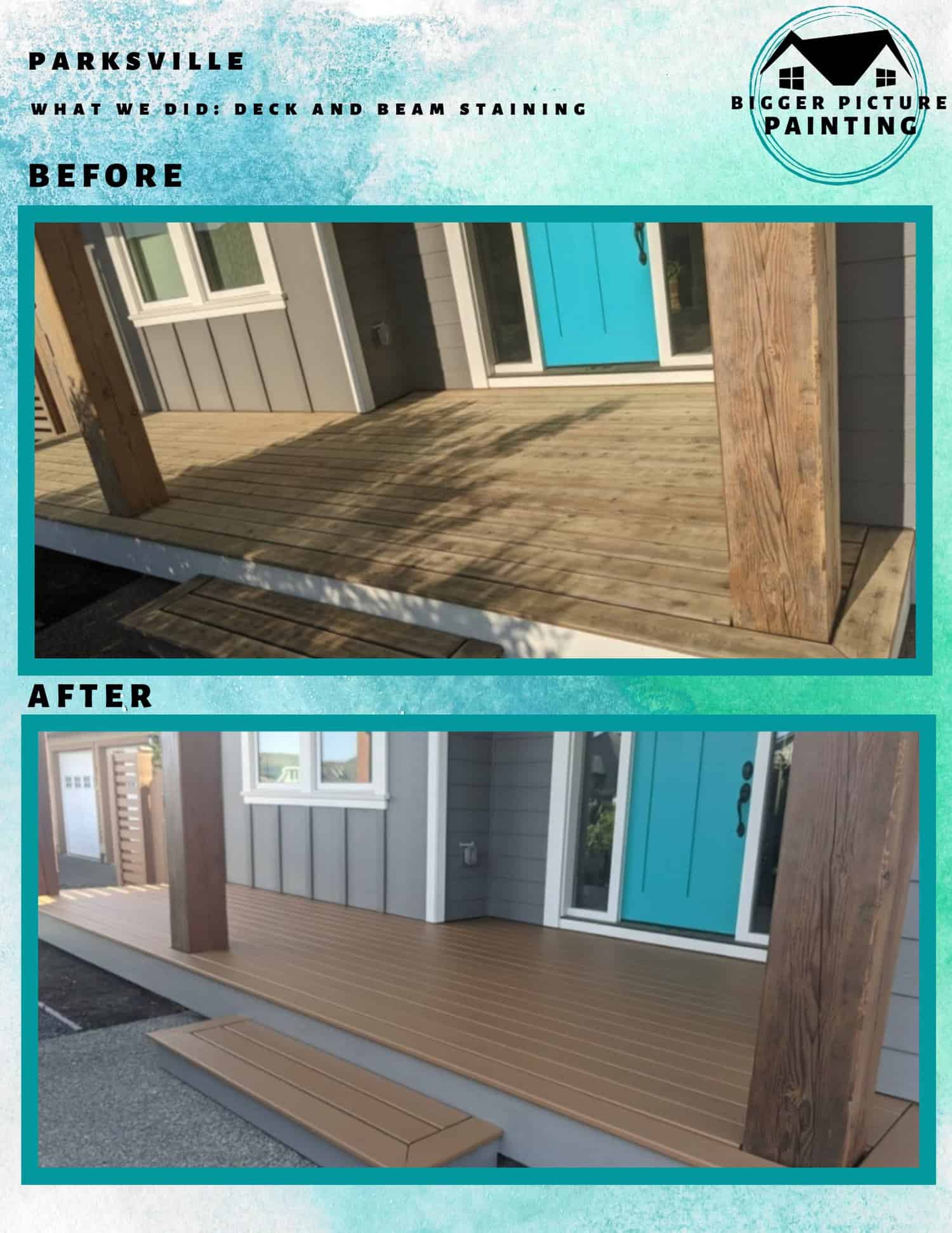
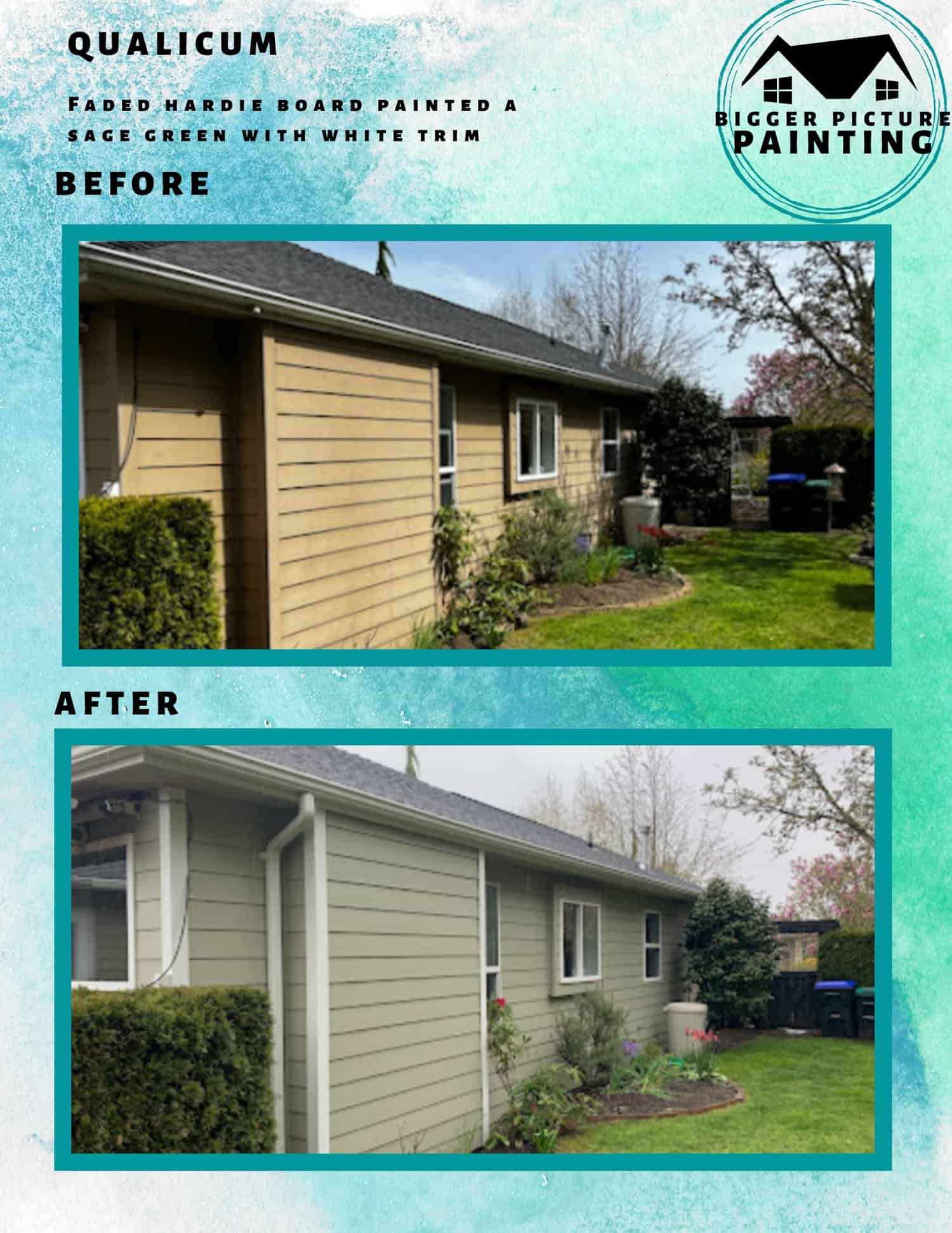
However, the bigger environmental win comes from longevity. If a coating lasts ten years instead of five, that means fewer repaint cycles. Less paint gets manufactured, transported, and applied.
This is where sustainable painting practices really start to show their value.
The Role of Surface Preparation
Professional painters often say the finish coat gets all the attention, but preparation does most of the work.
Proper prep helps coatings bond to the surface. Without it, paint may peel, crack, or fail early.
That leads to repainting sooner than expected, which increases material waste.
A typical prep process may include steps like these:
- Cleaning dirt, mildew, and chalking from the surface
- Removing loose paint with sandpaper
- Repairing damaged wood or siding
- Filling cracks with caulk
- Applying the right primer before the finish coat
Each step improves adhesion and durability.
And when coatings last longer, sustainable painting practices naturally follow.
Low VOC Paint And Healthier Indoor Air
Low VOC coatings are one of the most recognizable parts of sustainable painting. VOCs evaporate into the air as paint dries. High levels can cause odor, headaches, and poor indoor air quality.
Modern latex and acrylic paint options reduce these emissions while still delivering solid coverage and durability.
You will often see certifications such as:
- Green Seal
- GREENGUARD
- Indoor air quality verified products
These coatings still require proper surface prep and primer to perform well. Without that foundation, even the best paint will struggle to hold up.
Another advantage of low VOC paint is comfort during the paintig project. Rooms become usable faster because there is less lingering odor.
Choosing Durable Coatings That Last
One of the most overlooked parts of sustainable painting practices is durability.
A long-lasting coating reduces environmental impact simply because it stays in place longer.
High-quality coatings often include features such as:
- Strong adhesion to surfaces like siding or masonry
- Resistance to mildew and moisture
- Improved color retention
- Stronger protection against UV exposure
Exterior surfaces benefit from durable coatings the most. Sun, rain, wind, and temperature changes constantly stress the finish.
If the paint system fails early, the cycle of scraping, priming, and repainting starts again.
That cycle consumes more paint, more labor, and more materials.
Long-lasting coatings break that cycle.
Reducing Waste On The Jobsite
Another part of sustainable painting practices happens behind the scenes.
Jobsite habits can make a big difference in waste reduction.
Many professional crews follow practices such as:
- Measuring surfaces carefully before ordering paint
- Using reusable canvas drop cloths
- Cleaning brushes and rollers instead of disposing of them
- Storing leftover paint for touch ups
Paint recycling programs also help reduce landfill waste. Many communities now collect leftover paint and reprocess it for reuse.
These steps may seem small, but they add up across thousands of painting projects each year.
Primers Still Matter In Sustainable Painting
Some people assume primer is optional if a paint says it has paint and primer in one.
That can work in certain situations, but primers still play a big role in sustainable painting systems.
A good primer helps paint grip the surface more effectively. It also seals porous materials such as wood, drywall, or masonry.
Benefits of proper priming include:
- Stronger adhesion
- More uniform color
- Better stain blocking
- Longer coating life
This is another reason sustainable painting practices rely on preparation just as much as coating selection. When the foundation is strong, the finish lasts longer.
A Practical Approach To Sustainable Painting
Sustainable painting does not mean sacrificing durability or performance. In many cases, it leads to better results.
The combination of improved coatings, careful preparation, and responsible material handling makes a noticeable difference.
Homeowners benefit from better indoor air quality, longer-lasting finishes, and less frequent repainting.
Here is how Bigger Picture Painting approaches projects with sustainability in mind:
- Careful surface evaluation before any painting begins
- Proper cleaning, sanding, and preparation for strong adhesion
- Strategic use of primer for long-term coating performance
- Selection of durable low-VOC acrylic paint products
- Clean and organized worksites with minimal waste
If you are thinking about updating your home, our team at Bigger Picture Painting would be happy to walk you through the process. We proudly serve Parksville, BC and the surrounding areas.
Call us at 778-200-7756 for a FREE estimate and learn how thoughtful painting practices can help your home look better and last longer.