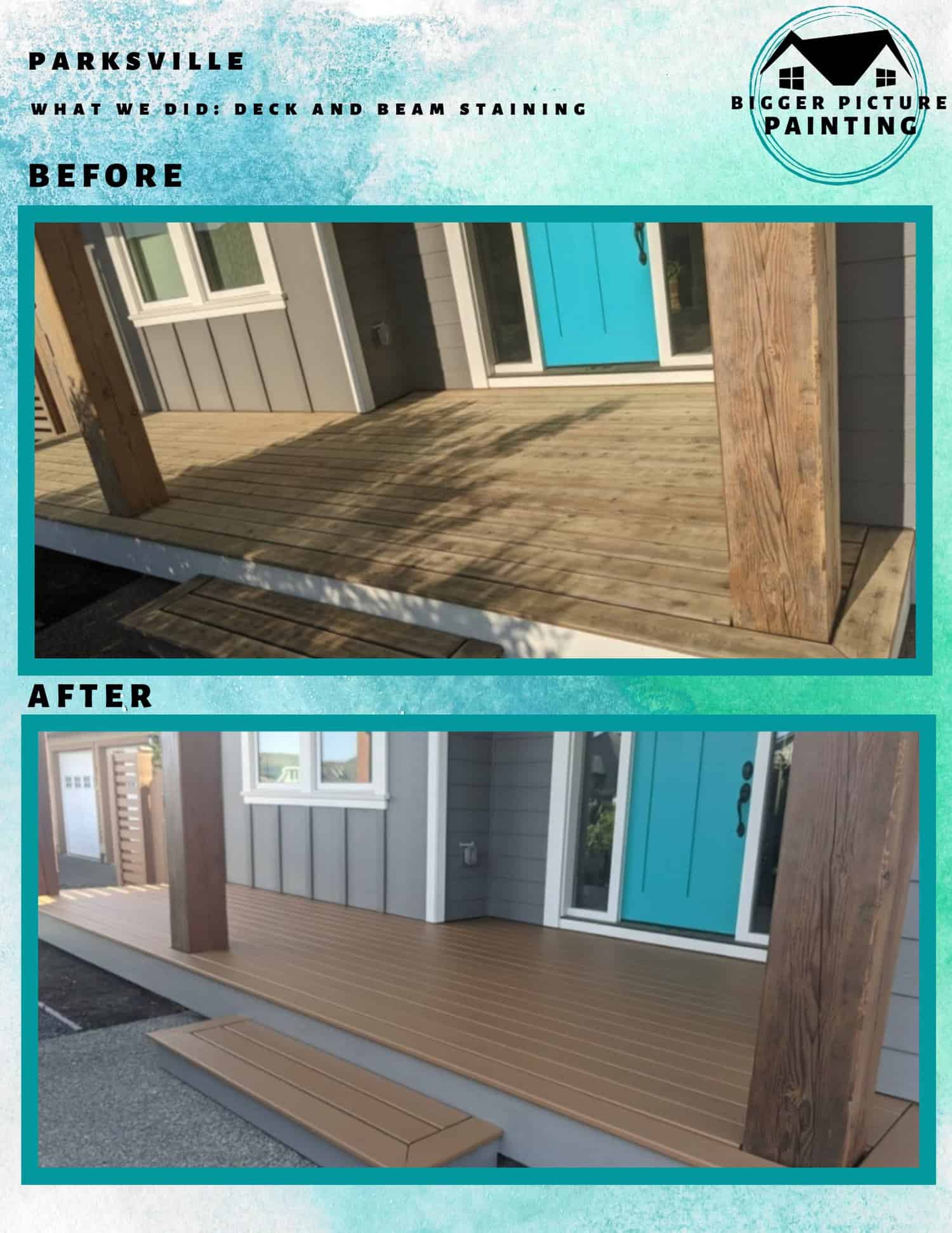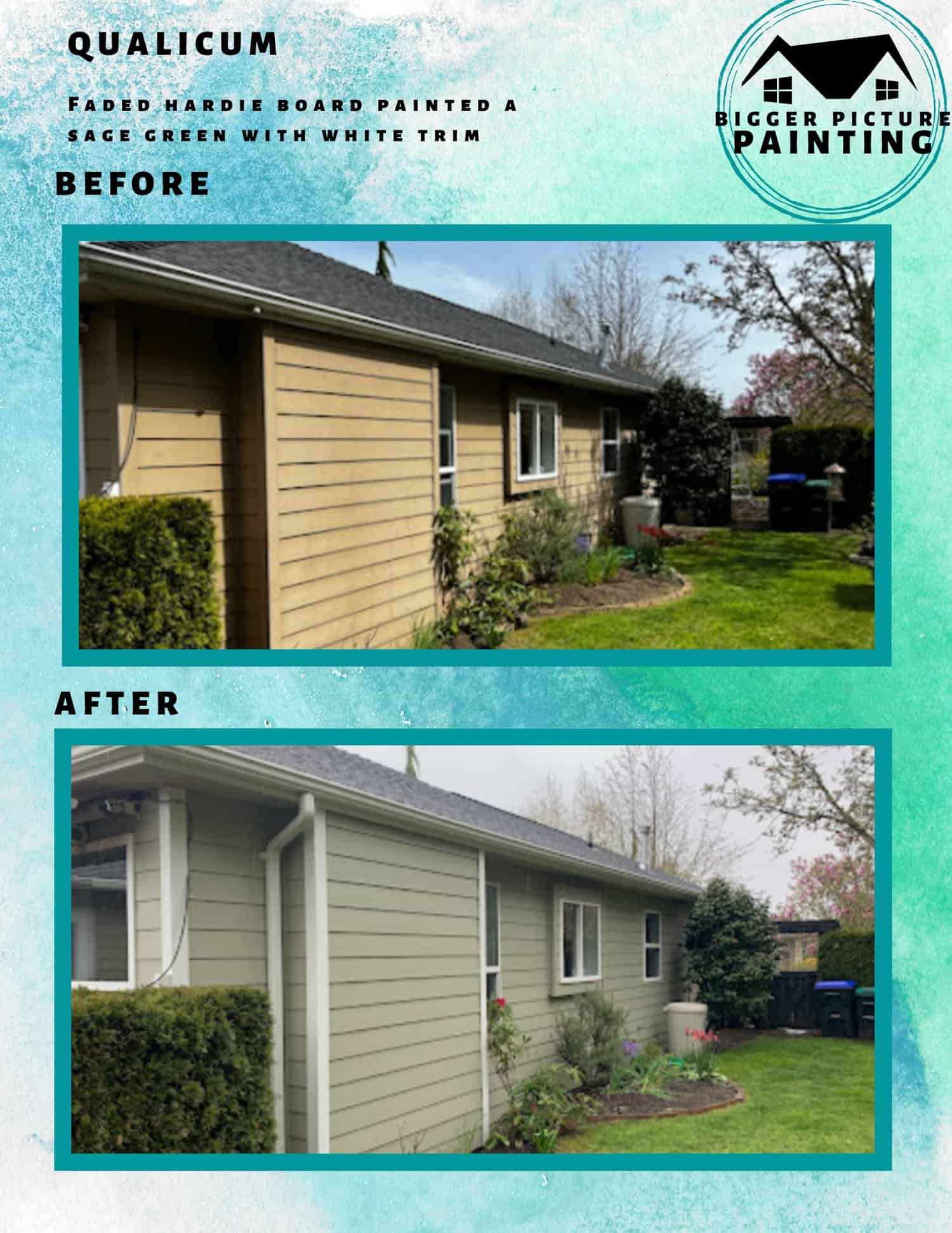
After decades of painting homes and completing professional interior painting projects throughout Parksville, BC, I can say this without hesitation: most homeowners don’t fail with oil-based paints because they are careless. They fail because they are following outdated advice.

The most expensive mistakes homeowners make with oil-based paints come from using them in the wrong locations, underestimating drying and ventilation requirements, and assuming oil automatically means better durability. While oil-based paints can still deliver an exceptional finish in the right conditions, they can also create lingering odors, slow-moving projects, and long-term maintenance headaches when used incorrectly.

This guide breaks down the five most costly oil-based paint mistakes, explains why they happen, and shows how homeowners can avoid them before small decisions turn into expensive repairs.

Key Takeaways

  • Oil-based paints are not universal solutions
  • Drying and curing times disrupt daily living
  • VOCs and odors are serious indoor concerns
  • Prep mistakes cause early failure
  • Modern water-based coatings often outperform oil

Why Oil-Based Paints Confuse Many Homeowners

interior house painting

Old Advice vs Modern Paint Technology

For decades, oil-based paints were considered the gold standard. They leveled beautifully, hardened well, and outperformed early latex paints. That reputation stuck, even though paint chemistry has evolved dramatically.

Today’s water-based coatings are not the same products your parents used. Many outperform traditional oils in flexibility, color retention, and maintenance.

Misconceptions About Durability and Quality

Homeowners often equate hardness with durability. Oil-based paints are hard, but hardness alone does not equal longevity. Flexibility matters just as much, especially on surfaces that expand, contract, or receive regular cleaning.

Costly Error #1: Using Oil-Based Paints on Large Interior Walls

Why Oil-Based Paints Struggle on Wall Surfaces

Walls move. Subtle shifts from temperature and humidity cause expansion and contraction. Oil-based paints lack flexibility, which makes them poor candidates for large wall areas.

They also cure slowly. Odors linger far longer than most homeowners expect.

Hidden Costs Homeowners Don’t Anticipate

When walls are coated with oil-based paints, rooms may remain unusable for days. Ventilation equipment, open windows during poor weather, and disrupted routines add hidden costs that never appear on the original estimate.

Better Alternatives for Interior Walls

High-quality acrylic latex paints offer excellent washability, flexibility, and color stability. They also support modern color trends without yellowing over time.

Costly Error #2: Ignoring Drying and Curing Time Realities

Dry-to-Touch vs Fully Cured Explained

This is one of the most misunderstood aspects of oil-based paints. Dry-to-touch does not mean cured. While the surface may feel dry within hours, full curing often takes weeks.

During this time, the finish remains vulnerable.

Common Problems From Rushing Recoats

Rushing recoats over oil-based paints leads to wrinkling, soft finishes, and poor adhesion. Once this happens, sanding and repainting are often the only fixes.

Scheduling Paint Projects Realistically

Professional painters schedule oil-based projects around occupancy, ventilation, and seasonal conditions. Homeowners often don’t, and that mismatch becomes costly.

Costly Error #3: Underestimating VOCs, Odors, and Health Risks
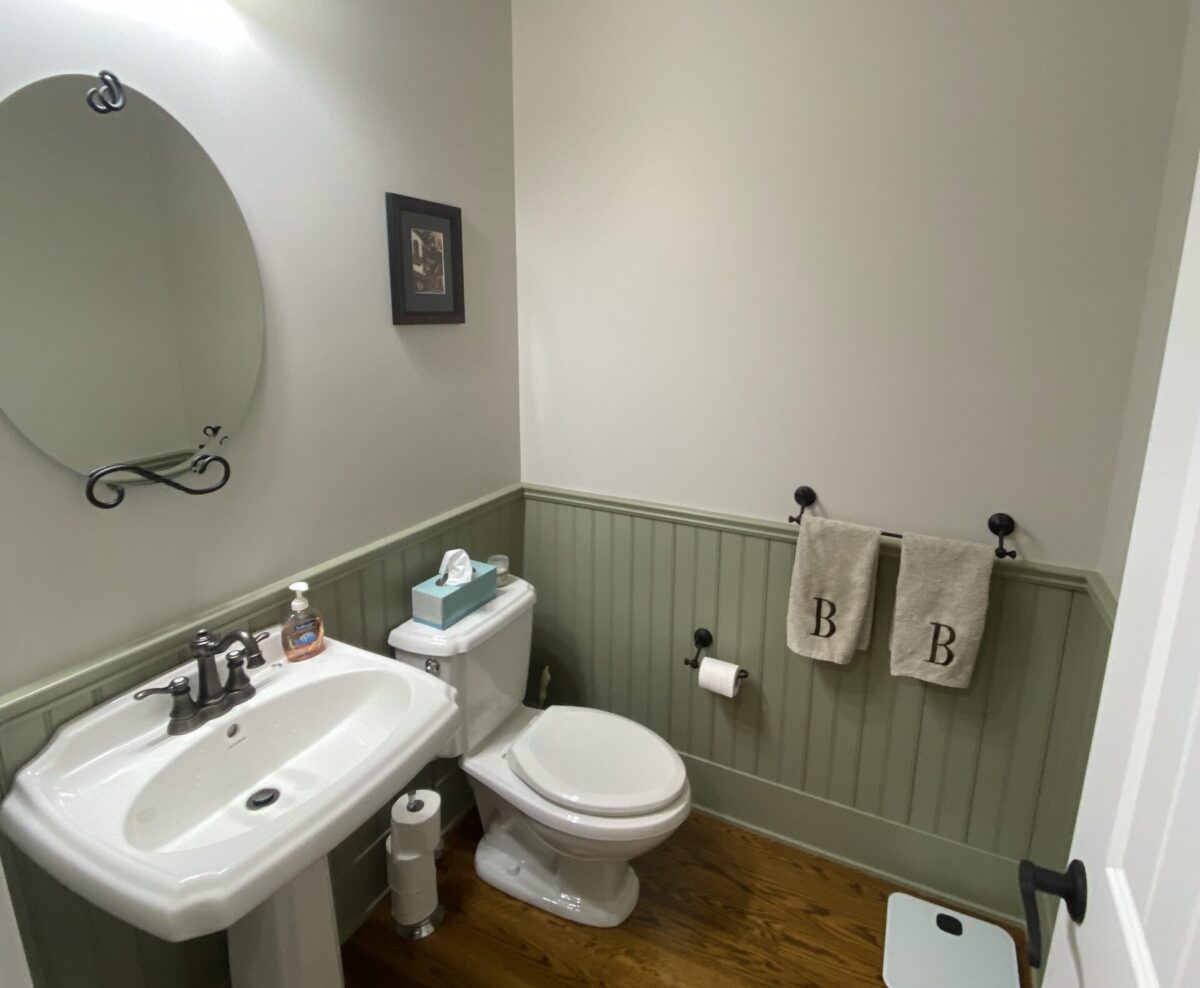
exterior commercial painting - humid

What VOCs Are and Why Oil-Based Paints Have More

VOCs are released as solvents evaporate during curing. Oil-based paints contain significantly higher solvent levels than most modern water-based paints, which directly affects indoor air quality.

Why Odor Complaints Become Costly

Strong odors often force families to temporarily relocate. Additional ventilation equipment may be required, and project timelines expand quickly. All work involving oil-based paints must comply with EPA standards for paints, coatings, and other solvents.

When Oil-Based Paints Should Be Avoided Indoors

Homes with children, pets, elderly residents, or anyone with respiratory sensitivities should approach oil-based paints with caution.

Costly Error #4: Poor Surface Preparation Before Painting

Why Oil-Based Paints Demand More Prep

Oil-based paints do not forgive shortcuts. Glossy surfaces must be deglossed. Contaminants must be removed. Primers must be compatible.

Skipping any step compromises adhesion.

Prep Steps Homeowners Often Skip

Deglossing existing finishes
Sanding edges properly
Using the correct primer system

Each skipped step shortens the life of oil-based paints.

Long-Term Costs of Improper Prep

Peeling, chipping, and premature failure lead to full repaints, not touch-ups. That doubles labor costs.

Costly Error #5: Assuming Oil-Based Paints Are Always the Most Durable Option

Where Oil-Based Paints Still Perform Best

Oil-based paints still shine on trim, doors, stair rails, and metal surfaces. These areas benefit from hardness and smooth leveling.

Where Modern Paints Have Surpassed Oil

Acrylic enamels and hybrid waterborne alkyds now offer durability without the VOC burden of oil-based paints.

Why Defaulting to Oil Increases Costs

Defaulting to oil-based paints makes future repainting harder, limits product availability, and increases labor costs due to prep requirements.

Oil-Based Paints vs Water-Based Paints: What Homeowners Should Know

Durability, Flexibility, and Maintenance

Oil resists impact. Water-based paints flex better. In homes, flexibility often wins.

Cleanup, Safety, and Repainting Ease

Water cleanup simplifies maintenance. Solvent cleanup for oil-based paints requires care and regulatory compliance with EPA standards for paints, coatings, and other solvents.

When Oil-Based Paints Still Make Sense for Homeowners

High-Traffic Doors and Trim

These areas see constant contact. Oil-based paints can extend repaint cycles significantly.

Older Homes With Existing Oil-Based Finishes

Compatibility matters. Applying latex over oil without proper prep leads to failure.

When Homeowners Should Avoid Oil-Based Paints
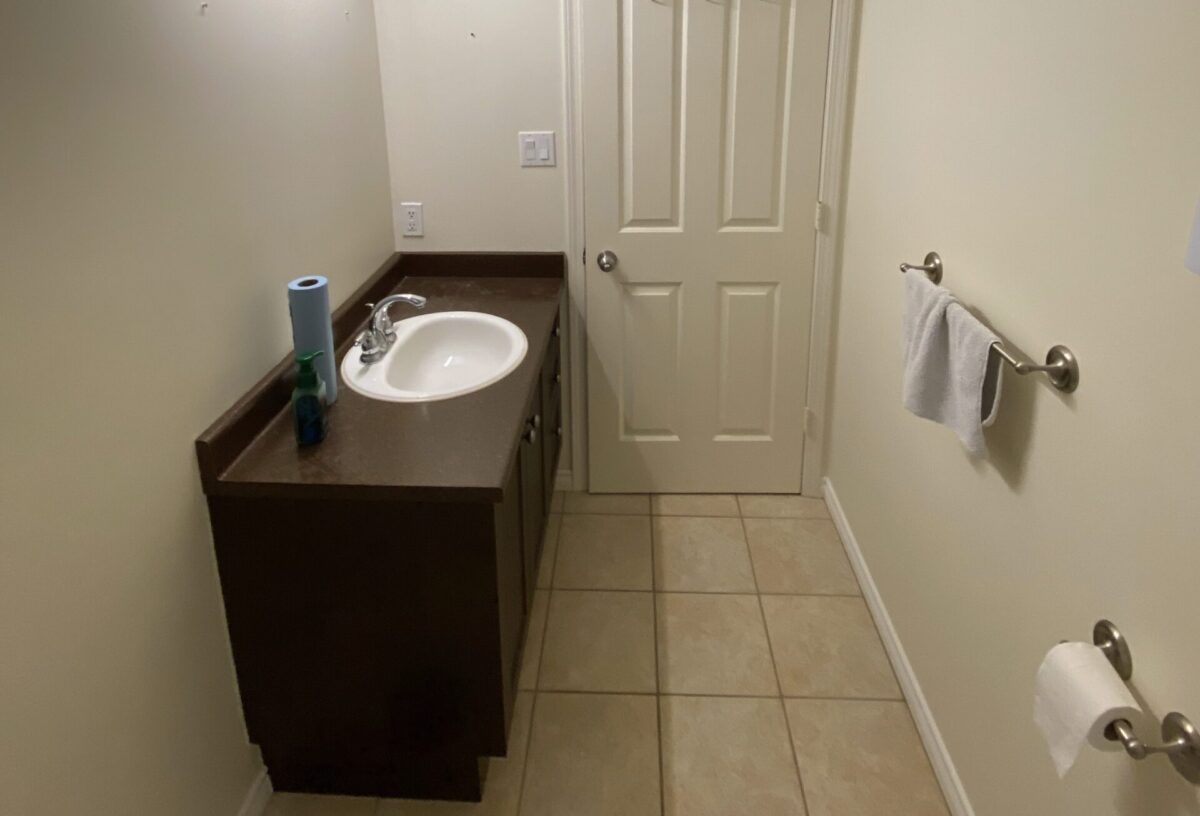
painting cabinets -cabinet respray

Occupied Living Spaces

Lingering odors and VOC exposure make oil-based paints a poor choice for lived-in spaces.

Fast Renovation Projects

Tight schedules and oil-based paints do not mix well.

DIY vs Professional Application: Why It Matters With Oil-Based Paints

Skill and Equipment Requirements

Ventilation systems, PPE, and correct tools are essential when working with oil-based paints.

Cost Comparison Over Time

DIY mistakes often erase any upfront savings and lead to full repaints.

Final Thoughts: Avoiding Costly Oil-Based Paint Mistakes

Oil-based paints are not bad products. They are simply specialized tools. The five mistakes outlined here happen when homeowners use them automatically instead of intentionally.

Smart decisions start with understanding limitations.

At Bigger Picture Painting, we evaluate surfaces, ventilation, occupancy, and long-term maintenance before recommending oil-based paints. That approach protects both your investment and your living space in Parksville, BC.